Featured

What can we gain from the blame game?

The pros and cons of blame in PR, politics and business
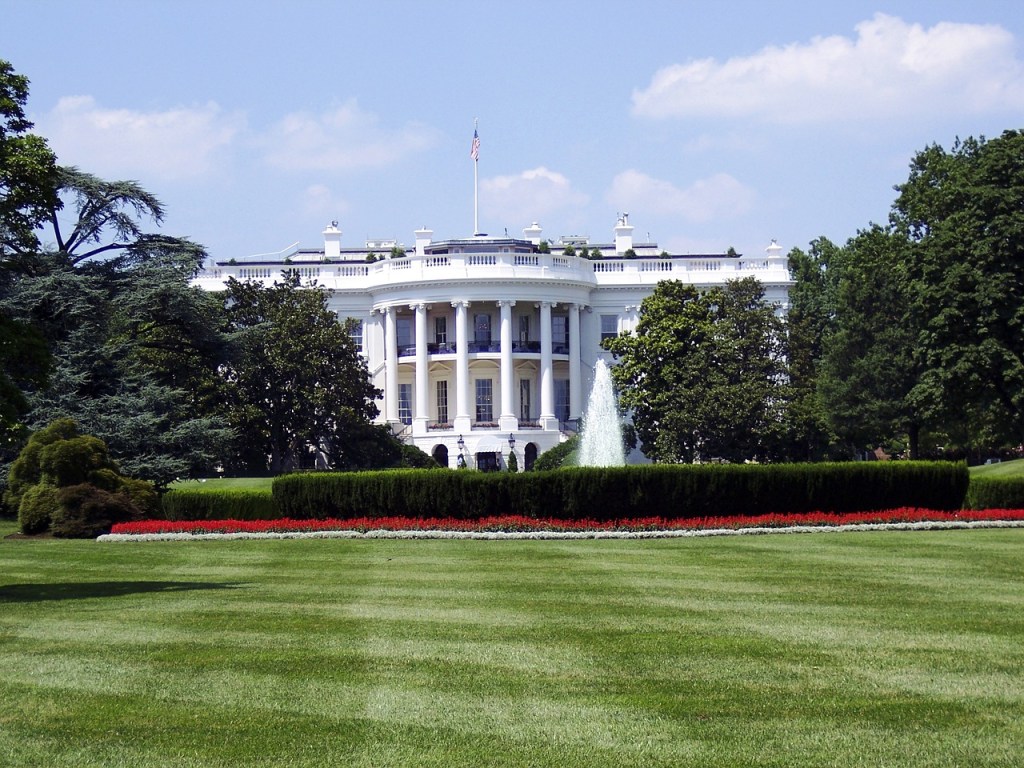
Image by Pexels from Pixabay

It wasn’t the result the Democrats were expecting, but there was no denying on Wednesday morning the Republicans were sweeping to a very comfortable majority in the US election. It wasn’t long before various Democratic sources including Nancy Pelosi were attributing the Democrats’ loss to Biden being both ‘selfish’ and ‘stupid’ for not handing over the reins earlier.
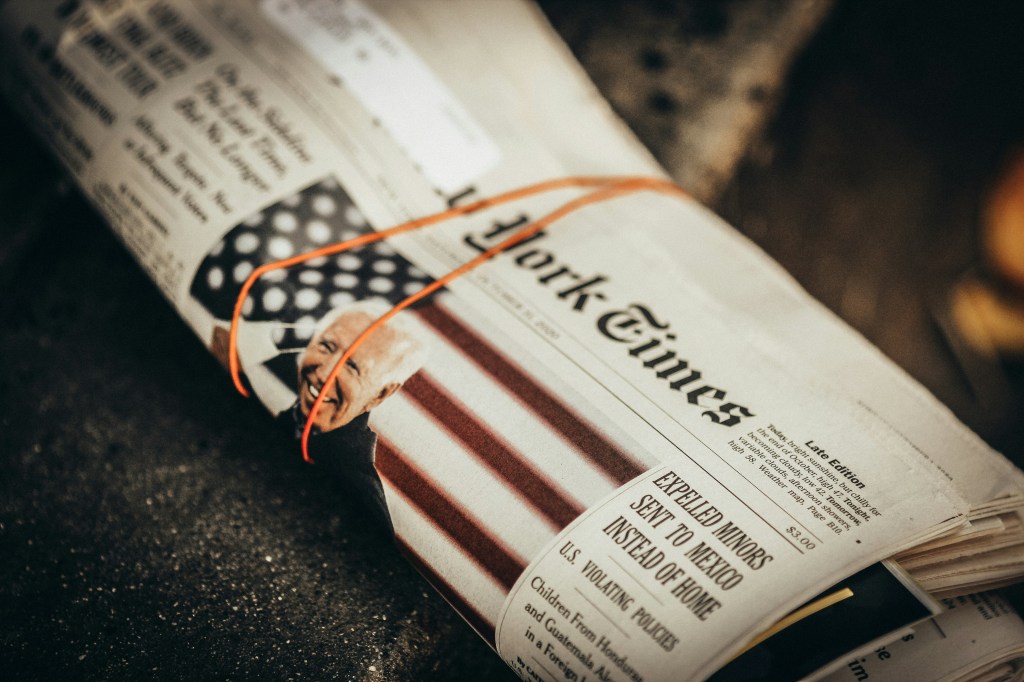
Photo by Jon Tyson on Unsplash

It is true that three months is hardly enough time for a person to establish themselves as a contender in a race that their opponent has been fighting for four years. And that Biden should have known that he was not a credible candidate under the glare of pre-election scrutiny. All the same, it seems hard to blame him completely for not making the decision sooner. It was a leap for the Democrats to make. Despite her rapturous welcome when she was eventually endorsed, Harris had polled low during Biden’s presidential term, and the party had sometimes blamed her for those policies that had failed to gain traction. The truth of what actually happened – a complicated mess, a society that is fearful of the outside world, the lack of enthusiasm for a female candidate, Trump being a strong leader, despite his shortcomings, and, yes, culpability by some individuals for sure – is messy. It is difficult for the Democratic party to confront. So, in the cold light of day, blaming Biden is easier, and perhaps cathartic for them.

The Democrats are hardly alone in playing the blame game. Blame has been slung around in all quarters these last few weeks. Like the mud slung at the King of Spain when he went to visit the victims of the Valencia floods, one of those tragedies where blame and anger, as Henry Mance writing in the FT points out, is a normal and important process of grief, but can also prevent us from learning from awful events and how to handle them.

Rachel Reeves played the blame game with panache and political style during her first Budget speech at the House of Commons dispatch box the other week. It is typical of an incoming government to blame their predecessors for the state of the nation as they found it, and there are a lot of things the Tories are to blame for, for sure. Here, Reeves used the blame game to temper what was, according to many commentators, the most painful Budget in years. She did it in the anticipation that many of the measures would be hard for the public to swallow.

So, blame is all around and, in many senses, it is a natural part of life. Not only is it part of our fight or flight reflexes according to Dr Bernard Golden, writing in Psychology Today, to preserve our sense of self-esteem, but it is also how the media dissect and analyse world events (and sell papers, if you’re being cynical). Dr Golden says that blame has become a type of global thinking. And surely this is partly down to the globalisation of information, ways of thinking and perspectives spreading quickly from person to person and country to country in a matter of days and hours after something has happened. But he also argues that blaming others can be personally disempowering, denying yourself agency and the ability to grow. I would argue that, equally, the public inclination to apportion blame prevents society from truly examining itself, having open and difficult conversations in order to iron out collective mistakes.

But just as we shouldn’t always blame others, we need to have the strength, when necessary, to accept blame ourselves. If an organisation is going through a crisis, the executive team at the centre of the storm is often tempted to explain why they are not to blame or to deflect blame onto someone else. Sometimes this has ruinous consequences. Boeing were criticised by the National Transportation Safety Board for failing to disclose who carried out work on a door that blew off mid-flight. The omission led to an escalating scandal and ultimately the resignation of the company’s CEO and Chair. Actually, crises are dealt with most successfully when an organisation can acknowledge culpability, face up promptly and proactively to internal faults, and have the courage and strength of will to address them. The incoming Starbucks CEO played into this tactic when he acknowledged that the business had moved too far away from coffee and pledged to steer it back to its roots, a move that has been described as bringing clarity and decisiveness and which boosted shares by 24%. 

November 2024
Featured

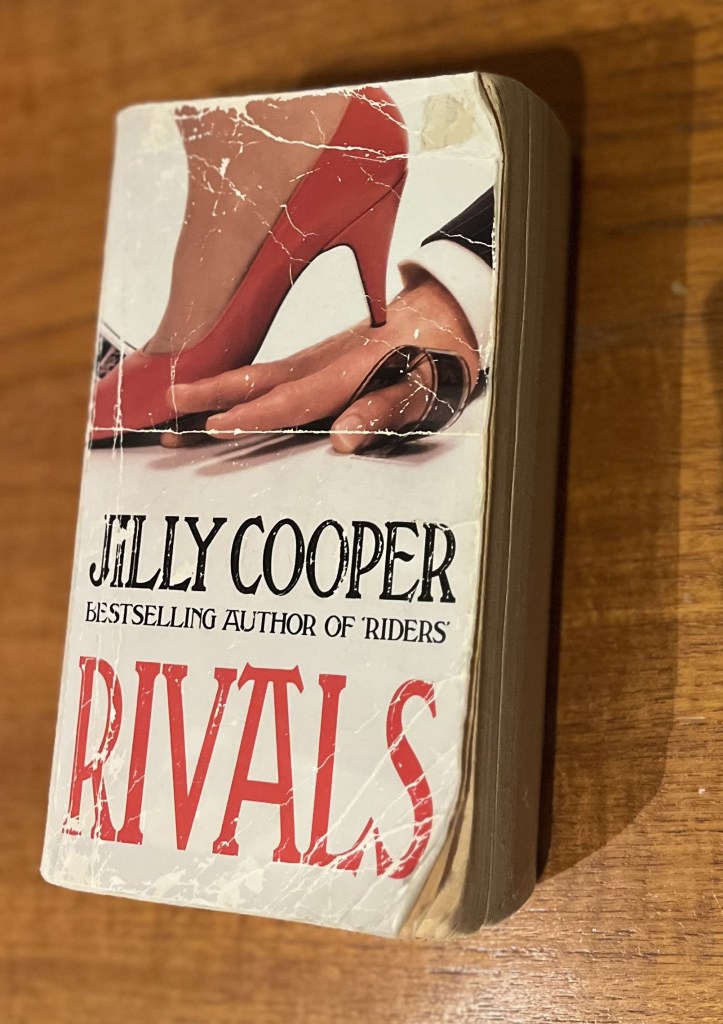
Why it’s ok to love Jilly Cooper’s Rivals without writing a searing critique about it

Everybody’s talking about the joy of Rivals, the new Disney+/ Hulu adaptation of Jilly Cooper’s 1986 novel. Commonly described as a ‘bonkbuster’ (posh 80s lingo, darling), the tv adaptation mixes 80’s nostalgia with the thrill of hedonism and a side of ‘how the other half live’ along with a breath-takingly stellar cast. It’s a stonker. It’s also manna from heaven for culture writers who have variously described the show as ‘deeply serious about pleasure’, using watches to see into the characters’ motivations, and being so notable for telling us about life before dating apps.

I’m as big a Jilly Cooper fan as any, ever since I discovered her first book Riders on a bookcase in our holiday gite in Normandy age 14 (much to the dismay of my mother). But I’ve often felt a little embarrassed to admit I’ve read all her books. And while my mother was one of many who once looked down on Jilly Cooper’s writing, now it’s cool – chic, even – to appreciate the show.

Credit: George Ciobra

The question of what is ‘good culture’ has been around for centuries – ever since Joshua Reynolds as Master of the Royal Academy ruled supreme in a world where only art depicting biblical battles (and at a stretch the odd Greek myth – the bloodier the better) could be hung on its walls. But plucky Hogarth didn’t care a jot, and he pressed ahead with his beautiful portrait of the lowly little shrimp girl and his socially searching and often disgusting satires Marriage a la Mode and the Rake’s Progress. Now these paintings can be seen in the National Gallery because ‘high art’ and ‘low art’ have an annoying habit of blurring their boundaries, and sometimes it’s hard to keep track of what is high and what is low. And it takes a masters in art itself – or maybe in reading Tatler – to know what is currently good taste and what is not.

But appreciating culture for what it says about society and actually enjoying it are two different things – remember Vivian crying in the opera in Pretty Women or Eliza Dolittle screaming at the horses in My Fair Lady? In their unconditioned wonder of opera and horseracing, they showed that it’s fine to love something just for the thrill of it. That is why it is important that kids learn to play the violin in Year 3, that they learn about the Greek gods, or visit a gallery and sketch a painting. And why they also need to go to laser quest, ride the flumes at the water park and be a pinball wizard on Brighton pier. Art and culture is a means of expression but it primarily exists to make our lives more enjoyable and to bring us pleasure.

The main reason why my love for Jilly Cooper is so enduring is because it offers first class escapism: I can turn my brain off and enjoy it for the hell of it. To make it worthy or a searing critique about society would be to lose all its joy. Everyone acting in Rivals looks like they’re having a blast. I’m having a blast watching it. And that is why the show has been so brilliantly successful.

November 2024

Featured

Fame, and why we need it

Why has being famous always been so attractive?

Credit: Vitality Sacred

This summer, the split of influencers Molly-Mae Hague and Tommy Fury made headlines worldwide. They were one of the very few couples from the TV show Love Island whose relationship survived more than a couple of months. Fans cited their solidness, normality and commitment to living their lives in front of the camera as among the reasons why they are so adored. They are both young, beautiful and charismatic; but they are also famous just for being. Coverage of the couple’s break up has been prolific: Sky News issued a breaking news alert, outlets from from Vogue to the BBC gave their take, the tabloids speculated on what went wrong. More evidence, if we need it, that the sun of the super-influencer is still in the ascendancy.  The individual, the leader, the trend setter, the personification of a zeitgeist. As sure as children come to school careers day dressed as the influencers they want to be; social media remains king and these people are the symbol of our times.

Credit: Pure Julia

But the need to be recognised, not just by our loved ones, our colleagues and our peers, but by humanity as a whole, is timeless. Centuries before Andy Warhol said that everyone would have their fifteen minutes of fame, Ancient Greek poets told the stories of Gods who died for fame and glory. As Dr Angie Hobbs, a Senior Fellow in the Public Understanding of Philosophy at Warwick University, tells us, the poet Homer has Achilles say ‘‘I’m returning to fight, partly to avenge Patroclus, but also because I want glory.’’ Fame has been around forever.

When I was young in the global but not quite hyper connected nineties, I was a typical example of the type of teenager who wanted to be famous: insecure, very aware of social hierarchies, and still trying to find my own identity. I was looking for a way of validating who I was and my existence on this earth as a person. (Of course I never equated my desire for fame with who I actually am, which is quite a private person. I love nothing more than shutting the door to the rest of the world.) In 2013, American academics (Greenwood, Long and Dal Cin) found a correlation between those who wanted to fit in socially and people who wanted to be famous. They also found a link between those who wanted to be famous and people with narcissistic tendencies – who wanted to stand out.

Credit: Emrecan Arik

Fame was a hot ticket in the nineties and it’s even hotter now. Social media allows a person to control their fame and their image more than ever before. Social media success, and therefore fame, is predicated on creating and fine tuning a very particular type of identity. But, rather than this helping a person define themself, it can end up forcing them to be someone they’re not.  Instagram is a curated version of a person’s life, and expectations of the people who consume it are aspirational at heart. You have to keep on producing the type of content that people want to see, whether that is happening in your life or not. It is hard not to feel sorry for Katie Price, who used her fame and her image cleverly to create a multi-faceted multi-million pound business; but whose credibility has been undone, in part, by the need to perpetually produce the product that drives the fame itself.

Credit: Nathan Defiesta

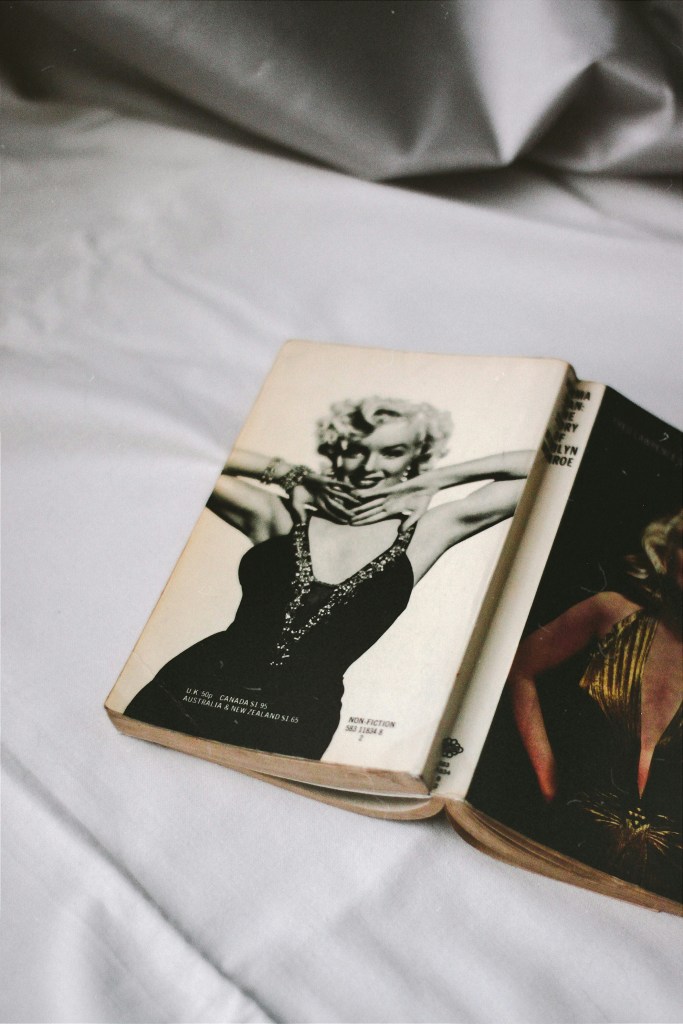
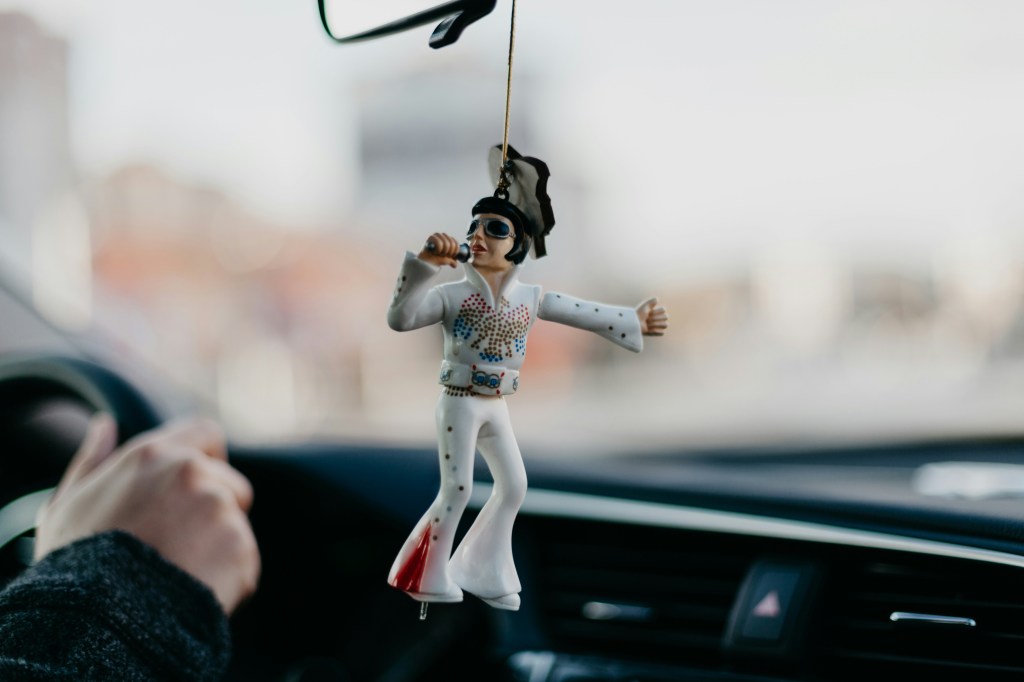
It is easy, as consumers, to judge people who fall from grace – and we judge harshly. That is part of the darker side of fame. But, at the same time, we cannot completely condemn something that has always played a part in culture and society. Famous people are role models, and they can have a very positive impact on individuals and society. Elvis, Marilyn Monroe and Andy Warhol have had a profound impact as individuals shaping cultural narratives for years after their deaths. They provided a benchmark in which social norms, fashions, aspirations and morals are still reflected. Perhaps it is difficult to imagine today’s most famous people having this kind of long term, era-defining cultural influence, but they are still able to shape thousands of lives and thousands of young people aspire to be like them. And people need to be able to aspire. Fame has endured because it plays an important role in society and culture. In that way, our society isn’t so unlike that of the Ancient Greeks, and it doesn’t look like changing any time soon.

August 2024

Featured

What is creativity and original thought?

What does it mean to be truly original? Is any thought actually an original one? How creativity is made up of layers of thought built up throughout human history..

Credit: Florian Klauer

At university we were told we had to sift through and assess sources, review the arguments made by historians and come up with our own analysis to impress the examiner. The best students were the ones who challenged the question and came up with an original interpretation of the subject whilst also displaying knowledge of the area and style in constructing their arguments. I soon discovered that I was quite bad at all these things, and the more I struggled through dusty books in the university library and drowned in piles of notes, the worse I got. How could I, an innocent 18 year old, compete with millennia of withered historians who’d spent lifetimes becoming experts on their subjects? ‘I just lack the capacity of original thought.’ I said to a friend, who thought it was hilarious.

Later on, I was starting off in a communications consultancy and enjoying the adrenaline of pitching for client accounts when a new director came in and sat us round the table as we tried to brainstorm slogans, ideas, and campaigns for everything from medical stents to nuclear power stations. ‘He wants to find out who is creative,’ one of my colleagues told me, ‘He wrote a book on creativity.’

Creativity is such a nebulous and subjective subject, it seemed crazy that anyone would be qualified to comment on another person’s creative ability based on a couple of conversations. It made me wonder whether creativity is an inherent quality a person has or something that you can develop over time. Also, in the 300,000 years of human existence, with storytelling an inherent part of human life since homo sapiens came on the scene, is there the scope for anything new? They say there are only seven stories that are told, and that all the novels, plays, soap operas, Netflix series that have been produced are merely reinterpretations of them. A depressing thought for an aspiring writer, maybe. But is that a problem?

‘Creative thinking for adapting an original idea to a real-life setting enables human beings to create civilizations different from other animal worlds’

Park et al (2016) from Neuro-Scientific Studies of Creativity

Sociologists think that creativity has been both a key factor in human survival and indicative of a level of higher thinking that humans can access most easily when their basic needs are met. Scientists have been fascinated by the role of creativity in differentiating humans from other creatures.

Credit: Julia Joppien

But does creativity mean complete originality? 

Once I got over my unfortunate incapacity for original thought, I thrived in the creatively driven agency world. I learnt to scan around for ideas that are clever, that already work, drawing different ideas and concepts together to mold and shape them until they don’t look anything like the original. 

During this time, I realised that the fuel and confidence for creativity comes by drawing inspiration from other people’s work. When I write, I no longer beat myself up for drawing concepts and style from authors I have read (whilst obviously not ripping them off, this is not an endorsement of plagiarism!). As well as giving me an excuse to indulge my lifelong passion for reading, it’s given me the freedom to develop my own ideas and style, whilst not repeatedly hitting a roadblock of introspection, the fear that, in the whole world of thinking, my tiny contribution is surely destined to evaporate unseen. Once I gave up my hang-up about not coming up with the most original writing, it freed me up to enjoy what I do. When I write in my boss’s style, I feel my writing is better, more interesting, more colourful than when I write just as ‘me’. It’s nice to play at being another person, and in fact I feel freer to take risks and be more playful in my writing (as she, a brilliant writer, is herself). Freeing the brain from its barriers gives me a different kind of confidence.

Credit: Janko Ferlic

So, can I cheat and say that creativity doesn’t necessarily mean true originality? Is originality really a myth? That might be stretching it too far, and I’m probably not qualified to speculate on whether original thought actually exists. But I have a feeling that a happy compromise of the reimagining and blending of thousands of ideas will keep creativity alive for as long as humanity needs it. 

July 2024

Featured

How to behave in public (What ballet has taught me about life)

Photo by Hannah Busing on Unsplash

On a recent Saturday night at the Royal Opera House, the audience was looking forward to the ballet Different Drummer; a serious work by one of the twentieth century’s most influential choreographers, Kenneth MacMillan. The ballet, based on the German drama Woyzeck, builds to a tense moment when the girlfriend of the main character, the tragic soldier, is lured away by another man. On this night, just when the girlfriend turned away from Woyzeck to look longingly back at her new suitor, the music was interrupted by the sound of shattering glass from the upper slips – the very furthest away seats to the top and side of the auditorium. A slow handclap was followed by scuffles and protests, as someone tried to intervene with whoever it was who was making a ruckus. The protests began quietly at first – as people started to crane irritably away from the performance to see what was going on – before getting louder and finally a scream ‘I just want to enjoy the f–king music!’, before the poor man was ushered out of the room and the drama, off stage at least, was over.

You do hear about audience behaviour taking a nosedive in the West End, but this almost never happens in ballet. It would have been a shock at any ballet performance to have the audience convention of silence broken in such a forceful and unexpected way. But coming at such a tense point in a dark and soul-wrenching ballet, the moment was heightened and the uncertainty about what might prevail was quite disconcerting – as if what was happening on and off stage were somehow weaving themselves together. After the show, the audience chatted amongst themselves in anxious voices, and tones of awe, about how shocking the outburst had been and what could have been done by Opera House management to prevent such a situation escalating. They carried on discussing it in taxis, on the tube and on online forums.  

Photo by Hulki Okan Tabak on Unsplash

The incident made me reflect that we live in a world where in public at least we are to behave in certain ways. You don’t even think about these conventions being there, until they are broken. The shock of someone breaking that convention at the ballet rippled through the audience in a tangible way, almost lending itself to a thrill. We are often told that, in Shakespeare’s day, the audience would heckle, carry on conversations and throw fruit (although they haven’t reintroduced this at the Globe..); and Edith Wharton’s accounts of high society in turn of the century Manhattan pivot around the great and the good carrying on their socialising in their expensive opera boxes while the performance was going on down on the stage. But this is not the norm or the expectation nowadays.

There are practical reasons for people to be silent, and for large groups of people to behave in a certain way so that order can prevail, and events can proceed as planned. But at the same time, the almost salacious shock at the interruption of Different Drummer suggests that these social conventions take on more than a pragmatic purpose. In 1903, a sociologist called George Simmel spoke about the ‘impulse to sociability’ where humans have an instinct to behave in a way that is socially acceptable and enables them to belong to a particular group – or society in general. It’s a concept that has often been used derogatively, for instance in inferring that people don’t think for themselves and blindly follow fashions and trends without exerting their own creativity. But actually, we all have good reasons to conform, even if it means giving up some of our individual autonomy from time to time.

Photo by Abigail Lynn on Unsplash

Non-conformity can be powerful and can used as protest to demonstrate disagreement or dissent about something that is happening. A famous example was when musician Jarvis Cocker stormed the stage of the Brit Awards in 1996 to show his disgust at Michael Jackson performing a very self-reverential song, dressed as a Christ-like figure. Cocker mounted the stage and shook his bum at the audience – hundreds of thousands of people watching the awards on live TV. Cocker got away with it, largely because many people agreed with him even though they wouldn’t have dreamt of doing it themselves, and there was something in his personality and credibility that allowed him to carry it off. Cocker presumably calculated that he had nothing to lose by getting onto the stage, and it proved to be the case, as shown by his continuing success and popularity over the next twenty years. Going further, there are occasions when groups of people actually rebel against conventional behaviour as a herd. The documentary Woodstock 99 shows a wide-scale loss of order after festival goers endured terrible conditions including the lack of food and water, unbearable heat, and ground saturated by sewage. After three days of this, the crowd erupted in a riot, destructing the temporary structure that had been set up for the festivals, setting fires, rape and pillage. The mass momentum to act like this was prompted by a breakdown in the social contract made by the festival organisers to the people who had paid to attend, in turn triggering the festival goers to forsake social norms en masse. The chaos was only brought to a close with the arrival of a large consignment of the national guard.

Van Kleef, Wanders, Stamkou and Homan is a review of research and literature around norm violation and plots out a model of factors that influence norm violation and our responses to it. They point out that minor norm violations such as leaving the remains of your lunch on the table and interrupting each other during conversations are ‘omnipresent’. They looked into the factors which make ‘rule breaking’ of this nature more likely and found two factors which influence whether people violate norms. One factor is that people are more likely to violate norms when they perceive others also break the rules – which may account for the festival goers at Woodstock rioting in response to being let down by the festival organisers. The article says that in these cases ‘societal level norms about how one ought to behave may be overruled by local norms that are constructed based on the perceived behaviour of others in one’s social environment.’  The other factor is that people who feel more powerful in a situation are more likely to break norms. In other words, Jarvis Cocker is unlikely to have stormed the stage at the Brit awards if he had been a waiter serving drinks or a member of public who just happened to have a ticket.

The third point in the article is the impact that norm violation can have on other people. The study finds that norm violations trigger feelings of anger, blame, anxiety and fear, even when no personal harm is involved. What’s more, ‘ingroup deviants’ (ie people who are part of a group or society where those norms are established) are regarded more harshly than ‘outgroup deviants’. This can explain the disgust and shock of the members of audience who, after the performance, could only discuss the behaviour of the gentleman at the ballet. Van Kleef, Wanders, Stamkou and Homan say that gossip has been found to foster norm compliance as people endorse the violation of certain norms to defend other norms that are seen as more important. The need to discuss and condemn the behaviour of that particular member of the audience was a way of reinforcing the norms of that group – ie regular attendees of the ballet – and perhaps even the bonds between members of that group as people who are committed to appreciating ballet as an art form.

May 2024