Featured

How brands brought sunshine in 2025

There was so much that was wrong and chaotic about the world in 2025, but there were also moments that brought delight to everyone. And whatever your feelings about globalisation and cynical marketing, there is something very powerful about a brand that creates an authentic human connection and, in doing so, plays a small role in buffering us from the troubles of everyday life. When we look back at the general helter-skelter of 2025, these are the life-rafts of consumerist cheese that I will cling to.
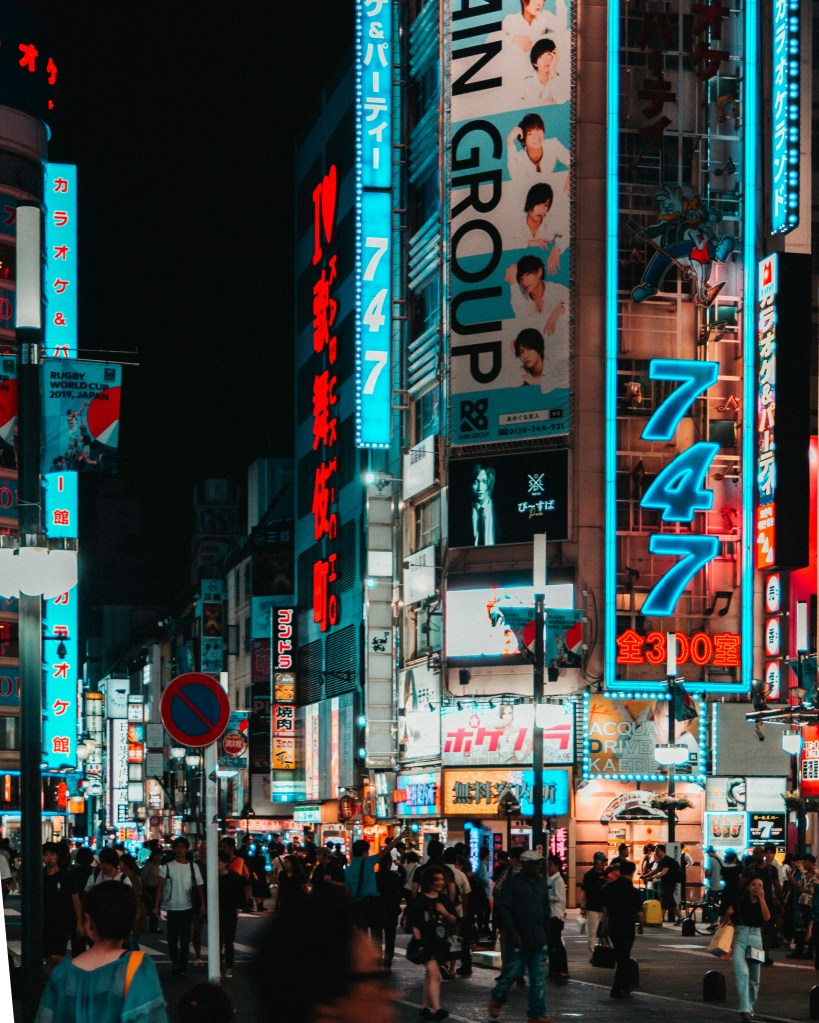
We all want some K-Pop magic, image by Joseph Costa

Who can begrudge the ongoing juggernaut of K-Pop which reached new heights with a film that struck a chord with people of all ages. K-Pop has been lauded for articulating the fears of teens and tweenagers – loneliness, the pressures of social media, and friendships – and K-Pop Demon Hunters, whose soundtrack has dominated the charts for several weeks with hits including Golden, What it Sounds Like and Takedown, brought a ray of sunshine into all our lives. Talking of K-Pop, I loved this series which, in an unashamedly cheesy way, set out to find members of a multinational K-Pop group. Now making waves as Katseye.

Toilet Paper: the Who Gives A Cr*p brand has been around for a while, rising from the ashes of post-sustainable consumerism after the pandemic. This year, with their eye-catching patterns and commitment to giving 50% of their profits to water and sanitation projects, this loo roll has put a bit of joy and purpose into the most mundane of daily tasks, becoming a common find in family homes across South London (despite being sadly inappropriate for school craft projects). 
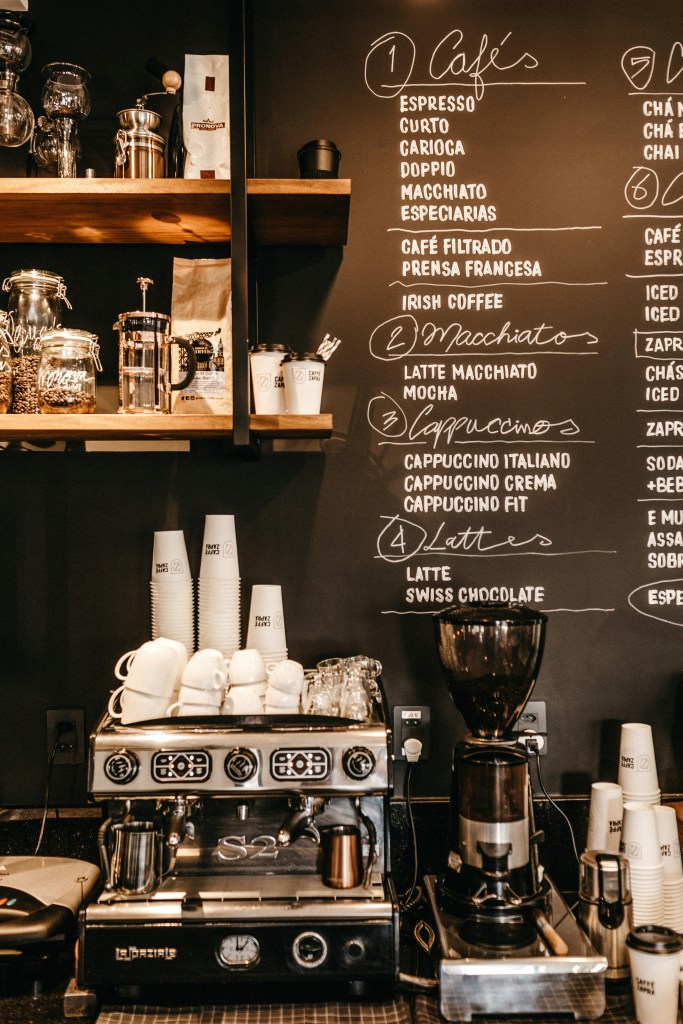
Image by Jonathan Borba

Is the high street making a comeback? After years of grill-fronted shops, rubbish swirling through empty multi-story carparks and tattered To Let signs, the high street is being rejuvenated by the faux-independent coffee shop: Blank Street, Black Sheep Coffee, Buns from Home and Crosstown. These are brands that have been in the UK for a while but have been turbo-boosted by global investors and are providing a more acceptable (better coffee and less care worn) alternative to Costa and Starbucks. All sporting an androgynous Skandi-Manhatten vibe, there is something deliciously bland that you can’t quite put your finger on but, at the same time, they have nothing of the motorway service station about them. Expect one or more in a high street near you.

Beautiful Croydon picture by Kristin Snippe

Can they make up for the baffling high street rebrand of WH Smith, though? Possibly not. Could the fading stationer’s name change to TG Jones be the best-worst PR campaign ever? Quite possibly, judging by the hundreds of column inches the unusual move has produced. It’s almost as if they want to create an anti-brand, but there is a skill in turning a terrible story into an unlikely money-spinner. WH Smith is making chunky if controversial steps in the captive airport market and something tells me this story isn’t quite over yet.

Talking of high streets, I hear Croydon is finally in line for a long due glow-up. Not only has its erstwhile suitor, Westfields, finally started the planning process to redo the very forlorn Whitgift Centre, but Croydon is apparently a hotspot for filming and was recently used as the location for the forthcoming blockbuster Heads of State. The ‘Cronx’s gritty 1960s centre combined with proliferation of green spaces apparently make it the ideal dupe for everything from Istanbul to Gotham City and therefore of course the UK’s answer to Hollywood. 

Other things that have united us this year: Wicked, a hot bed of at times hilarious brand tie ups (from Cambridge Satchell Company to Hovis) and a wonderful example of adoring female friendship between its co-stars Cynthia Eviro and Arianna Grande. And, staying in the world of celebrity, Justin Trudeau and global pop superstar Katy Perry, who went official on X during their visit to the Japanese PM and his wife, in a way that summed up the sheer joyful randomness of this romance .

Poor Louvre: image by Michael Fousert

There have been hundreds of brand fails and PR disasters of course. The Louvre’s not had a great one and Ben and Jerry’s very public spat with Magnum lacks a certain amount of dignity. But the point is that, for all their baggage and corporate clutter, brands can still be very powerful, bring positivity and strike a chord with the cultural zeitgeist, if they manage to get it right. I can’t wait to see who does it best in 2026.
December 2025

Featured

2024 in comms: who and what got us talking in a year of change?

How did 2024 change the way you think about comms? What can Keir Starmer learn from Taylor Swift, how have divisive rebrands become a thing (it wasn’t just Jaguar who took the plunge this year), and what did Nokia and Mango do to navigate the tech/ anti-tech dichotomy? Here’s what I learnt about the value of good PR and managing your brand in a year of change:

Credit: Isaac Smith

Keir Starmer struggled a little with his new identity as Prime Minister, even mistakenly referring to outgoing Tory leader Rishi Sunak as Prime Minister at the dispatch box.. But as things remain difficult at home, the PM is beginning to see that his greatest opportunity is to become a statesman. And image is everything. There’s nothing as effective as appearing alongside established premiers to underline your global leader credentials.  See him grow into the role in 2025 with more international jet setting.

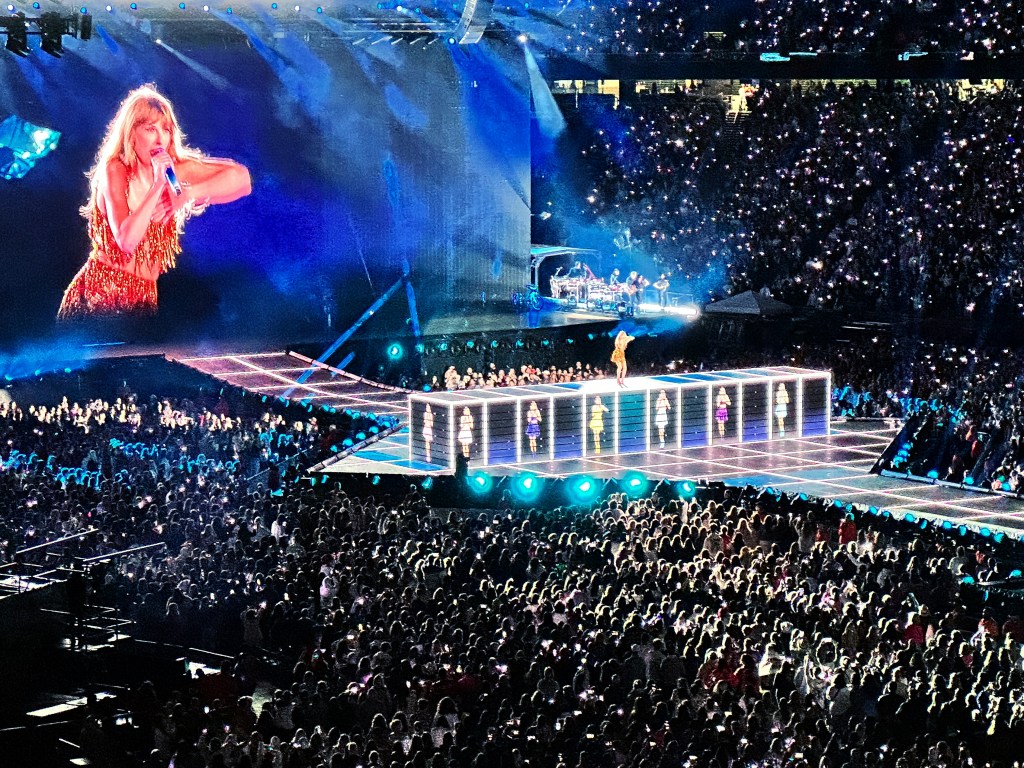
Leading with diplomacy and dignity comes naturally to Taylor Swift who manages to find opportunities for altruism whilst conquering all before her. She balances the two identities of savvy business women with purveyor of all things fun and good in order to have the broadest appeal of any entertainer on the planet. Impressive, given that she is not afraid to stray into the political or call someone out if required. Her ability to navigate tricky waters is unrivalled. Who else will manage to copy the Taylor playbook in 2025?

Credit: Stephen Mease

This year we learnt that a good rebrand must cause a sensation. There will always be people who hate a sweeping change (especially one that plays into the fear of Millennials and Gen X that relevancy is slipping away from them) but controversy should be welcomed as it yields dozens of column inches and weeks of discussion on LinkedIn. Rebrands are necessary in a changing world as Jaguar and the Royal Ballet and Opera (formally Royal Opera House) showed us this year, abandoning their heritage and modernising their look and feel to keep up with markets. As their new looks become established and accepted, watch out for more brands taking the plunge in 2025.

The tech/ anti-tech dichotomy continues as big companies compete in the AI arms race but struggle to placate concerned parents taking smart phones away from their children. Whilst humanity struggles with the hows and wherefores, some brands are making the most of it, including Mango who revealed their first AI ads and Puma who introduced their AI ambassador.. On the other hand, 11 year olds took dumb phones to school (which Nokia is very happy about) and CDs finally made a comeback. I even hear HMV is reappearing on our High streets. Nevertheless, there is still a thirst for someone to step in to lay down some guidelines. All eyes are on Australia who introduced a social media ban for under 16s. Look out for campaigners and governments wrestling with this in 2025.

December 2024

So long Topshop… from a 90s teen

It’s been on the cards for almost a year, when owner Arcadia called in an advisor to broker an urgent deal with landlords. Since then, we’ve seen the end of retailers who have been around for longer and held a stronger place in the national consciousness. Even John Lewis has struggled in recent months. So the fall of Topshop, a largely store-based empire at a time of dominant (and, since covid, necessary) digital commerce, is not a surprise. Next week Arcadia is due to be broken up with a potential buyer set to ‘pick over the pieces’ like a vulture devouring a rotting carcass.

For a particular generation, the will-o-the wisp floral skirt and DM-wearing 1990s teen, the demise of Topshop feels particularly sad.

I discovered Topshop when I was growing up in Croydon in the 1990s. In the heart of the once glorious Whitgift Centre, it felt like a pass to freedom. Rails of cheap jumpers and rainbows of little dresses. It was an opportunity for self-expression in the way I dressed and the choices I made for myself. Me and my also-slightly nerdy friends loved nothing more than an idle Saturday afternoon running our hands through racks of ribbed t-shirts and button-down denim skirts before stopping off at the Body Shop for a dewberry body spray.

I’ll never forget the day I first made it to the Topshop store in Oxford Street, standing at the entrance like a pilgrim on the steps of the Sacre Coeur. It was the first time me and my friends were allowed up to London on the train from East Croydon, so of course we headed straight there. The rush of adrenalin was almost spiritual when I found a beautifully flippy wraparound satin skirt to wear to my first proper New Year’s Eve party. As I paid my £25 at the gleaming white till, I was in hoc to the possibilities it conjured up, like a ticket to the glamour of the big city. It was a sensation I’d never felt before. And it was enticing.

Topshop continued to play a large role in my life. I have a number of beloved items from that place over the years: my navy cape with the rust satin lining; an indigo blue skirt that seems to work in any given situation; the yellow duck-print socks that I wore through countless ballet rehearsals until holes appeared in the heels; and a midi skirt with orange flowers that strangers still stop me in the street to compliment. Thousands of jumpers, jeans and, well, tops.

Me in some Topshop attire, Paris.

There was a reason I always loved Topshop. The clothes were not tarty, not compromising, they were pretty but somehow empowering. They came up small at times, but they did not come up short. The quality was generally good and the clothes were practical and long lasting. And no matter how many times you visited, you seemed almost guaranteed to come away with something worth buying.

In recent years that changed. I found myself disappointed as I searched the Topshop website while balancing a small baby on my lap. I have changed. With two small children, I’m not in the market for short skirts and spaghetti straps anymore. But it’s not just me. In the past, Topshop had a knack for churning out timeless, inventive and stylish pieces often with a foothold in 20th century fashion history. Nowadays the products are all short, long splits and crop tops. Not the kind of thing you can wear to nip down to the shops. Not appropriate for work. Definitely not flattering if you’re not 18 anymore.

Some people have pointed to the departure of head stylist Kate Phelan in 2017 as the turning point for the store. There was a half-hearted attempt to compete with the cut price fashion of BooHoo and friends. The clothes seemed targeted at Topshop’s ‘core’ student market, but arguably only for some of them. The fashion too often fell into the faddy category. It became harder to find anything out-standing or particularly beautiful. I started to notice that, when I did make a purchase, it fit badly, arrived crumpled, or differed from the pictures on the screen – although customer service was always very good. I would still look at the site from time to time, sometimes with a pang of longing for times gone past, but I rarely bought.

Last year, allegations of Philip Green’s behaviour came out. He has been accused of harassment of a number of Arcadia employees. There was an unsavoury incident where he demanded the removal of a stall selling the popular feminist book ‘Feminists don’t wear pink’, minutes before the Oxford Street flagship store was due to open with the stall all ready to go, front and centre. After this, browsing the Topshop website seemed a little distasteful. Did I want to line the pockets of this man? His morals seemed to go against the ones that Topshop had embodied to me.

I don’t think that I’m the only old-timer Topshop customer who feels this way. The spirit has already gone from the Topshop phenomenon. On one hand, Topshop has fallen behind online retail leaders who approach digital content in a campaign-led way. On the other, they’ve failed to keep up with the move away from fast fashion towards ethically-sourced investment pieces with design-integrity at their heart. There’s hope that Topshop in some shape or form will live to see another day (although who knows how many jobs will be saved). BooHoo may pick up the pieces as it has with Warehouse and Karen Millen. But, judging by their approach to Black Friday, that might mean a sad and slightly inevitable slide in the wrong direction.

I will look back on my 1990s Topshop with fond memories. But that Topshop is already gone, consigned to the archive and the attic.