Featured

How brands brought sunshine in 2025

There was so much that was wrong and chaotic about the world in 2025, but there were also moments that brought delight to everyone. And whatever your feelings about globalisation and cynical marketing, there is something very powerful about a brand that creates an authentic human connection and, in doing so, plays a small role in buffering us from the troubles of everyday life. When we look back at the general helter-skelter of 2025, these are the life-rafts of consumerist cheese that I will cling to.
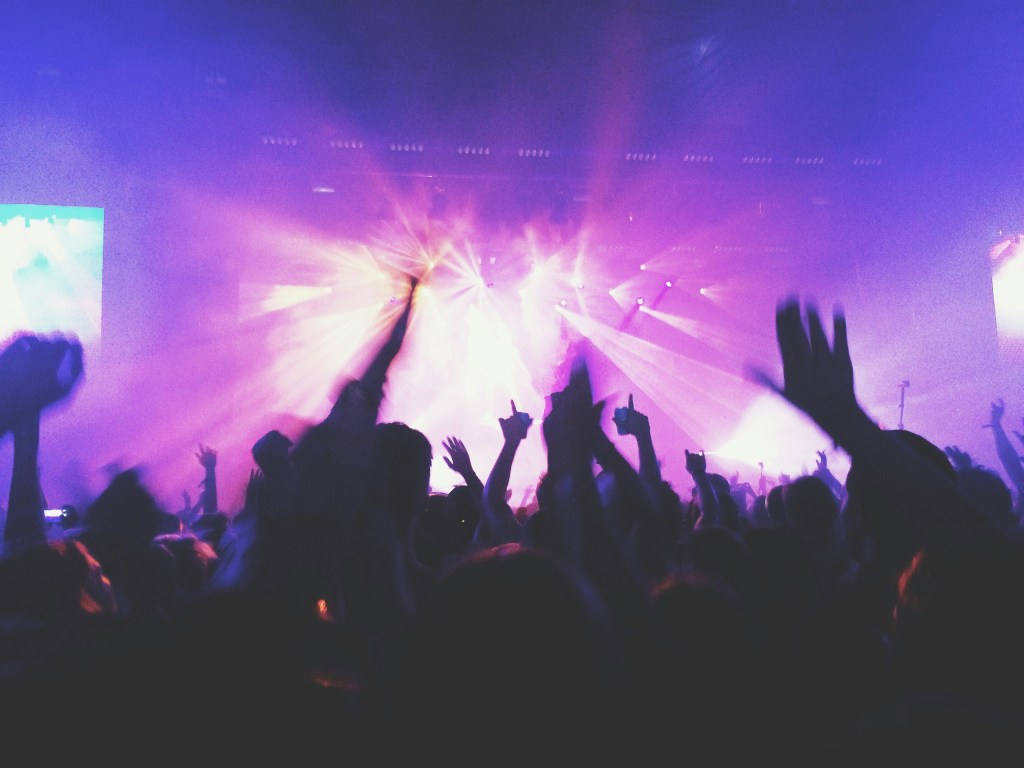
We all want some K-Pop magic, image by Joseph Costa

Who can begrudge the ongoing juggernaut of K-Pop which reached new heights with a film that struck a chord with people of all ages. K-Pop has been lauded for articulating the fears of teens and tweenagers – loneliness, the pressures of social media, and friendships – and K-Pop Demon Hunters, whose soundtrack has dominated the charts for several weeks with hits including Golden, What it Sounds Like and Takedown, brought a ray of sunshine into all our lives. Talking of K-Pop, I loved this series which, in an unashamedly cheesy way, set out to find members of a multinational K-Pop group. Now making waves as Katseye.

Toilet Paper: the Who Gives A Cr*p brand has been around for a while, rising from the ashes of post-sustainable consumerism after the pandemic. This year, with their eye-catching patterns and commitment to giving 50% of their profits to water and sanitation projects, this loo roll has put a bit of joy and purpose into the most mundane of daily tasks, becoming a common find in family homes across South London (despite being sadly inappropriate for school craft projects). 
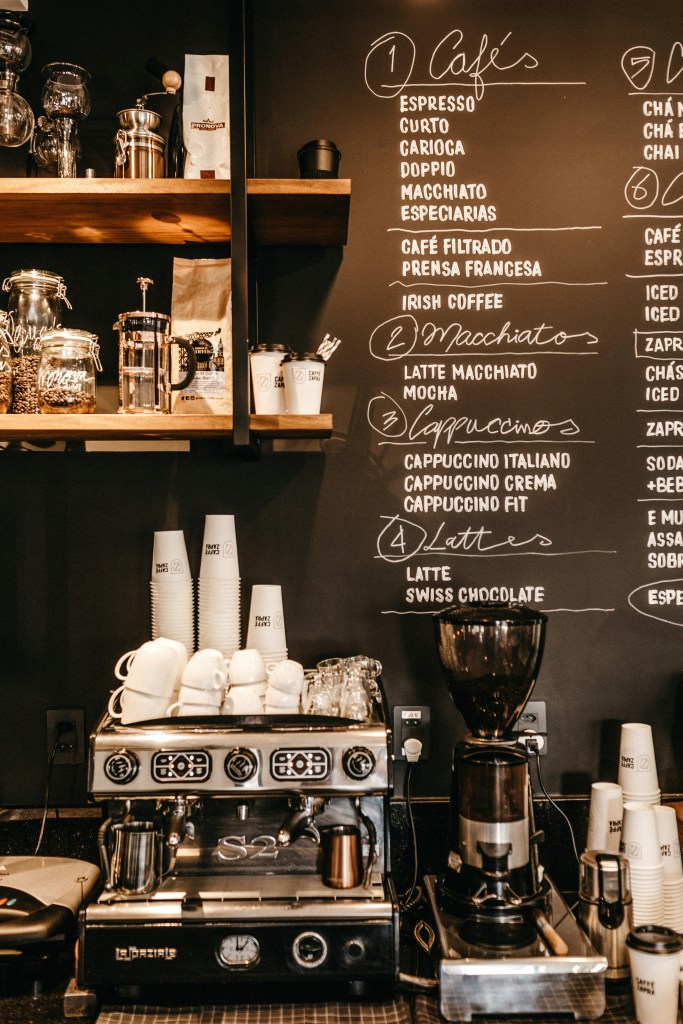
Image by Jonathan Borba

Is the high street making a comeback? After years of grill-fronted shops, rubbish swirling through empty multi-story carparks and tattered To Let signs, the high street is being rejuvenated by the faux-independent coffee shop: Blank Street, Black Sheep Coffee, Buns from Home and Crosstown. These are brands that have been in the UK for a while but have been turbo-boosted by global investors and are providing a more acceptable (better coffee and less care worn) alternative to Costa and Starbucks. All sporting an androgynous Skandi-Manhatten vibe, there is something deliciously bland that you can’t quite put your finger on but, at the same time, they have nothing of the motorway service station about them. Expect one or more in a high street near you.

Beautiful Croydon picture by Kristin Snippe

Can they make up for the baffling high street rebrand of WH Smith, though? Possibly not. Could the fading stationer’s name change to TG Jones be the best-worst PR campaign ever? Quite possibly, judging by the hundreds of column inches the unusual move has produced. It’s almost as if they want to create an anti-brand, but there is a skill in turning a terrible story into an unlikely money-spinner. WH Smith is making chunky if controversial steps in the captive airport market and something tells me this story isn’t quite over yet.

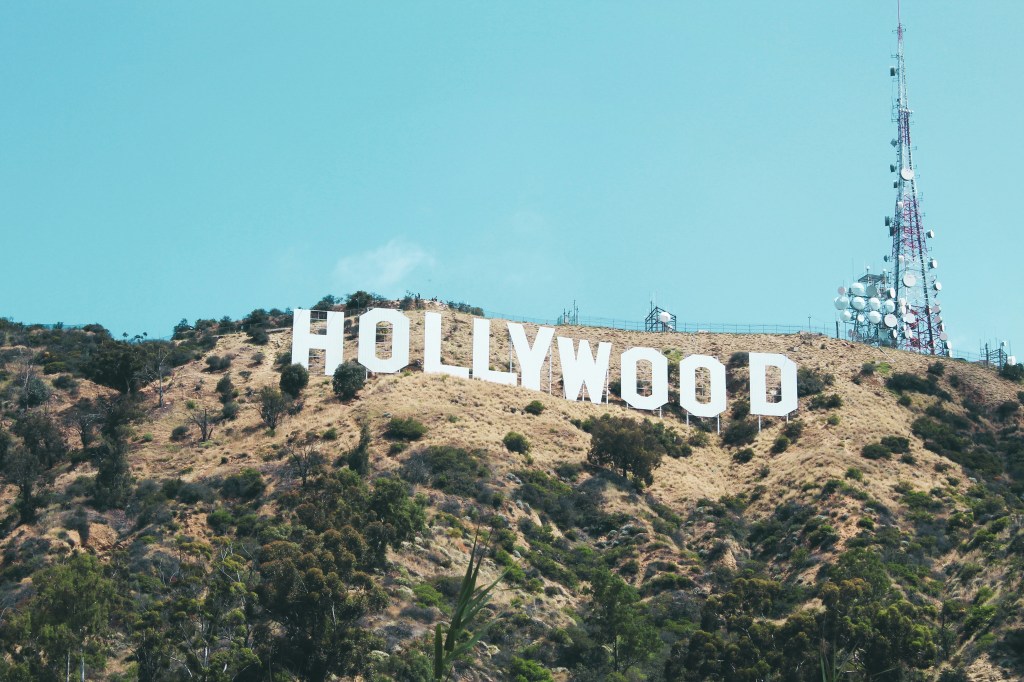
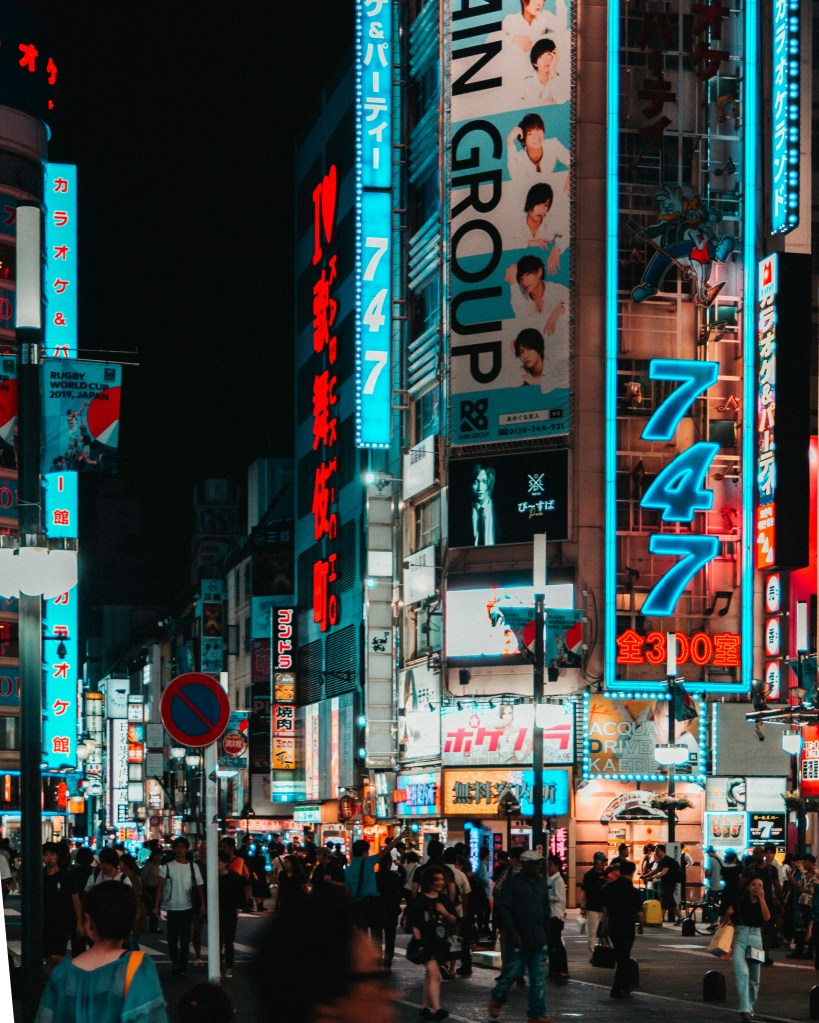
Talking of high streets, I hear Croydon is finally in line for a long due glow-up. Not only has its erstwhile suitor, Westfields, finally started the planning process to redo the very forlorn Whitgift Centre, but Croydon is apparently a hotspot for filming and was recently used as the location for the forthcoming blockbuster Heads of State. The ‘Cronx’s gritty 1960s centre combined with proliferation of green spaces apparently make it the ideal dupe for everything from Istanbul to Gotham City and therefore of course the UK’s answer to Hollywood. 

Other things that have united us this year: Wicked, a hot bed of at times hilarious brand tie ups (from Cambridge Satchell Company to Hovis) and a wonderful example of adoring female friendship between its co-stars Cynthia Eviro and Arianna Grande. And, staying in the world of celebrity, Justin Trudeau and global pop superstar Katy Perry, who went official on X during their visit to the Japanese PM and his wife, in a way that summed up the sheer joyful randomness of this romance .

Poor Louvre: image by Michael Fousert

There have been hundreds of brand fails and PR disasters of course. The Louvre’s not had a great one and Ben and Jerry’s very public spat with Magnum lacks a certain amount of dignity. But the point is that, for all their baggage and corporate clutter, brands can still be very powerful, bring positivity and strike a chord with the cultural zeitgeist, if they manage to get it right. I can’t wait to see who does it best in 2026.
December 2025

Featured

2024 in comms: who and what got us talking in a year of change?

How did 2024 change the way you think about comms? What can Keir Starmer learn from Taylor Swift, how have divisive rebrands become a thing (it wasn’t just Jaguar who took the plunge this year), and what did Nokia and Mango do to navigate the tech/ anti-tech dichotomy? Here’s what I learnt about the value of good PR and managing your brand in a year of change:

Credit: Isaac Smith

Keir Starmer struggled a little with his new identity as Prime Minister, even mistakenly referring to outgoing Tory leader Rishi Sunak as Prime Minister at the dispatch box.. But as things remain difficult at home, the PM is beginning to see that his greatest opportunity is to become a statesman. And image is everything. There’s nothing as effective as appearing alongside established premiers to underline your global leader credentials.  See him grow into the role in 2025 with more international jet setting.

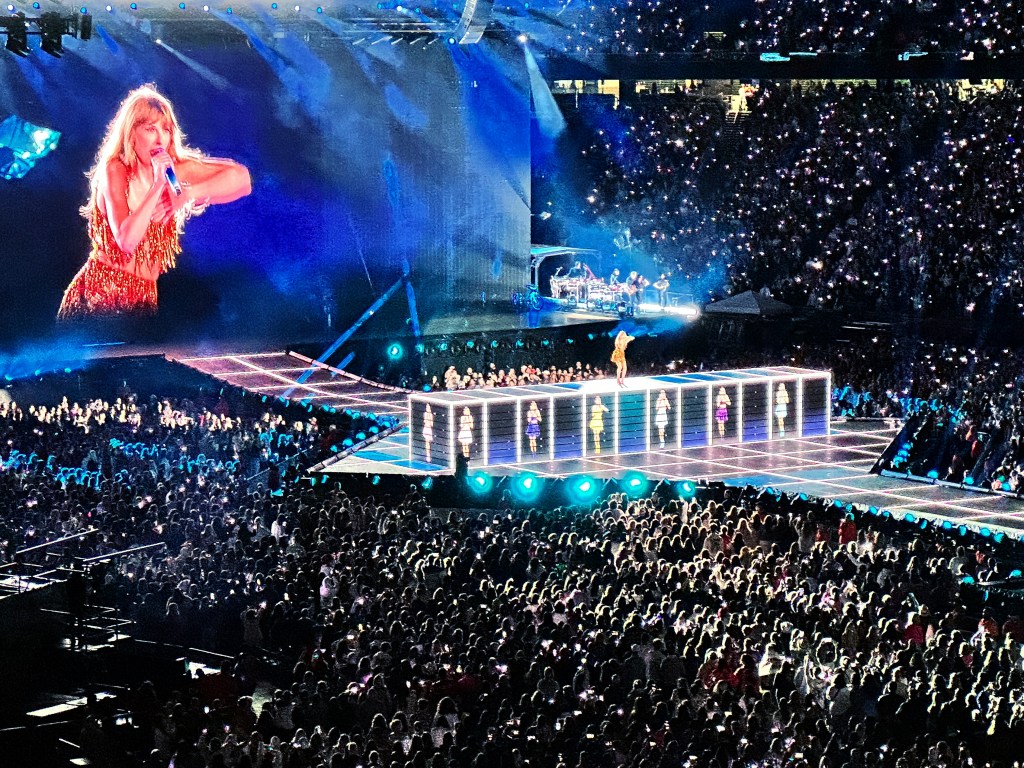
Leading with diplomacy and dignity comes naturally to Taylor Swift who manages to find opportunities for altruism whilst conquering all before her. She balances the two identities of savvy business women with purveyor of all things fun and good in order to have the broadest appeal of any entertainer on the planet. Impressive, given that she is not afraid to stray into the political or call someone out if required. Her ability to navigate tricky waters is unrivalled. Who else will manage to copy the Taylor playbook in 2025?

Credit: Stephen Mease

This year we learnt that a good rebrand must cause a sensation. There will always be people who hate a sweeping change (especially one that plays into the fear of Millennials and Gen X that relevancy is slipping away from them) but controversy should be welcomed as it yields dozens of column inches and weeks of discussion on LinkedIn. Rebrands are necessary in a changing world as Jaguar and the Royal Ballet and Opera (formally Royal Opera House) showed us this year, abandoning their heritage and modernising their look and feel to keep up with markets. As their new looks become established and accepted, watch out for more brands taking the plunge in 2025.

The tech/ anti-tech dichotomy continues as big companies compete in the AI arms race but struggle to placate concerned parents taking smart phones away from their children. Whilst humanity struggles with the hows and wherefores, some brands are making the most of it, including Mango who revealed their first AI ads and Puma who introduced their AI ambassador.. On the other hand, 11 year olds took dumb phones to school (which Nokia is very happy about) and CDs finally made a comeback. I even hear HMV is reappearing on our High streets. Nevertheless, there is still a thirst for someone to step in to lay down some guidelines. All eyes are on Australia who introduced a social media ban for under 16s. Look out for campaigners and governments wrestling with this in 2025.

December 2024

Featured

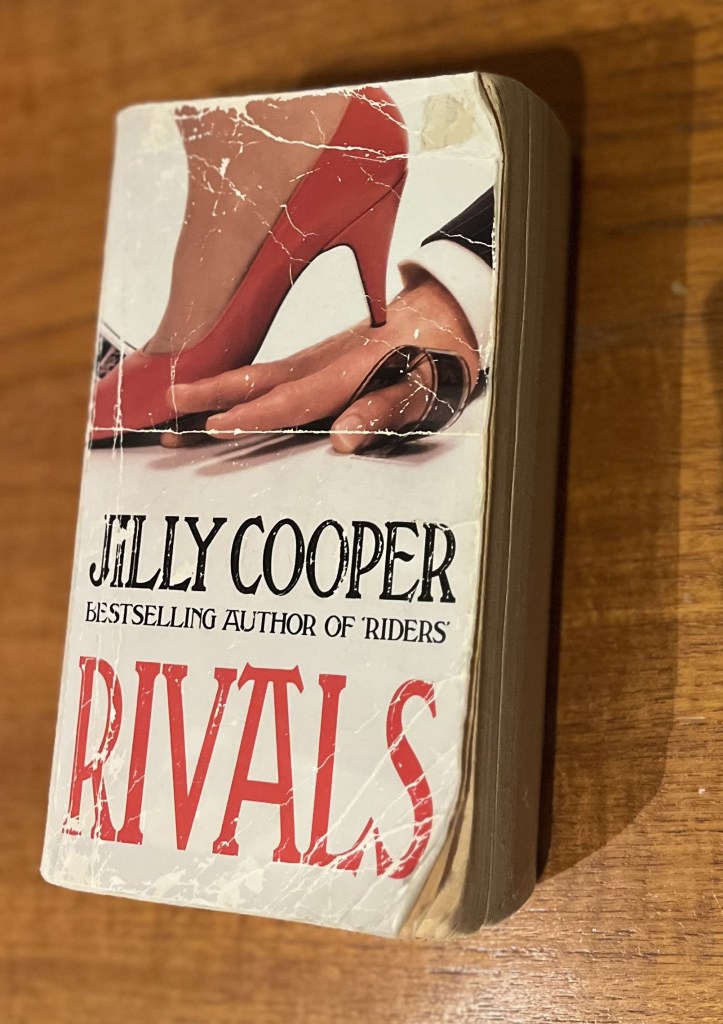
Why it’s ok to love Jilly Cooper’s Rivals without writing a searing critique about it

Everybody’s talking about the joy of Rivals, the new Disney+/ Hulu adaptation of Jilly Cooper’s 1986 novel. Commonly described as a ‘bonkbuster’ (posh 80s lingo, darling), the tv adaptation mixes 80’s nostalgia with the thrill of hedonism and a side of ‘how the other half live’ along with a breath-takingly stellar cast. It’s a stonker. It’s also manna from heaven for culture writers who have variously described the show as ‘deeply serious about pleasure’, using watches to see into the characters’ motivations, and being so notable for telling us about life before dating apps.

I’m as big a Jilly Cooper fan as any, ever since I discovered her first book Riders on a bookcase in our holiday gite in Normandy age 14 (much to the dismay of my mother). But I’ve often felt a little embarrassed to admit I’ve read all her books. And while my mother was one of many who once looked down on Jilly Cooper’s writing, now it’s cool – chic, even – to appreciate the show.

Credit: George Ciobra

The question of what is ‘good culture’ has been around for centuries – ever since Joshua Reynolds as Master of the Royal Academy ruled supreme in a world where only art depicting biblical battles (and at a stretch the odd Greek myth – the bloodier the better) could be hung on its walls. But plucky Hogarth didn’t care a jot, and he pressed ahead with his beautiful portrait of the lowly little shrimp girl and his socially searching and often disgusting satires Marriage a la Mode and the Rake’s Progress. Now these paintings can be seen in the National Gallery because ‘high art’ and ‘low art’ have an annoying habit of blurring their boundaries, and sometimes it’s hard to keep track of what is high and what is low. And it takes a masters in art itself – or maybe in reading Tatler – to know what is currently good taste and what is not.

But appreciating culture for what it says about society and actually enjoying it are two different things – remember Vivian crying in the opera in Pretty Women or Eliza Dolittle screaming at the horses in My Fair Lady? In their unconditioned wonder of opera and horseracing, they showed that it’s fine to love something just for the thrill of it. That is why it is important that kids learn to play the violin in Year 3, that they learn about the Greek gods, or visit a gallery and sketch a painting. And why they also need to go to laser quest, ride the flumes at the water park and be a pinball wizard on Brighton pier. Art and culture is a means of expression but it primarily exists to make our lives more enjoyable and to bring us pleasure.

The main reason why my love for Jilly Cooper is so enduring is because it offers first class escapism: I can turn my brain off and enjoy it for the hell of it. To make it worthy or a searing critique about society would be to lose all its joy. Everyone acting in Rivals looks like they’re having a blast. I’m having a blast watching it. And that is why the show has been so brilliantly successful.

November 2024

Featured

Fame, and why we need it

Why has being famous always been so attractive?

Credit: Vitality Sacred

This summer, the split of influencers Molly-Mae Hague and Tommy Fury made headlines worldwide. They were one of the very few couples from the TV show Love Island whose relationship survived more than a couple of months. Fans cited their solidness, normality and commitment to living their lives in front of the camera as among the reasons why they are so adored. They are both young, beautiful and charismatic; but they are also famous just for being. Coverage of the couple’s break up has been prolific: Sky News issued a breaking news alert, outlets from from Vogue to the BBC gave their take, the tabloids speculated on what went wrong. More evidence, if we need it, that the sun of the super-influencer is still in the ascendancy.  The individual, the leader, the trend setter, the personification of a zeitgeist. As sure as children come to school careers day dressed as the influencers they want to be; social media remains king and these people are the symbol of our times.

Credit: Pure Julia

But the need to be recognised, not just by our loved ones, our colleagues and our peers, but by humanity as a whole, is timeless. Centuries before Andy Warhol said that everyone would have their fifteen minutes of fame, Ancient Greek poets told the stories of Gods who died for fame and glory. As Dr Angie Hobbs, a Senior Fellow in the Public Understanding of Philosophy at Warwick University, tells us, the poet Homer has Achilles say ‘‘I’m returning to fight, partly to avenge Patroclus, but also because I want glory.’’ Fame has been around forever.

When I was young in the global but not quite hyper connected nineties, I was a typical example of the type of teenager who wanted to be famous: insecure, very aware of social hierarchies, and still trying to find my own identity. I was looking for a way of validating who I was and my existence on this earth as a person. (Of course I never equated my desire for fame with who I actually am, which is quite a private person. I love nothing more than shutting the door to the rest of the world.) In 2013, American academics (Greenwood, Long and Dal Cin) found a correlation between those who wanted to fit in socially and people who wanted to be famous. They also found a link between those who wanted to be famous and people with narcissistic tendencies – who wanted to stand out.

Credit: Emrecan Arik

Fame was a hot ticket in the nineties and it’s even hotter now. Social media allows a person to control their fame and their image more than ever before. Social media success, and therefore fame, is predicated on creating and fine tuning a very particular type of identity. But, rather than this helping a person define themself, it can end up forcing them to be someone they’re not.  Instagram is a curated version of a person’s life, and expectations of the people who consume it are aspirational at heart. You have to keep on producing the type of content that people want to see, whether that is happening in your life or not. It is hard not to feel sorry for Katie Price, who used her fame and her image cleverly to create a multi-faceted multi-million pound business; but whose credibility has been undone, in part, by the need to perpetually produce the product that drives the fame itself.

Credit: Nathan Defiesta

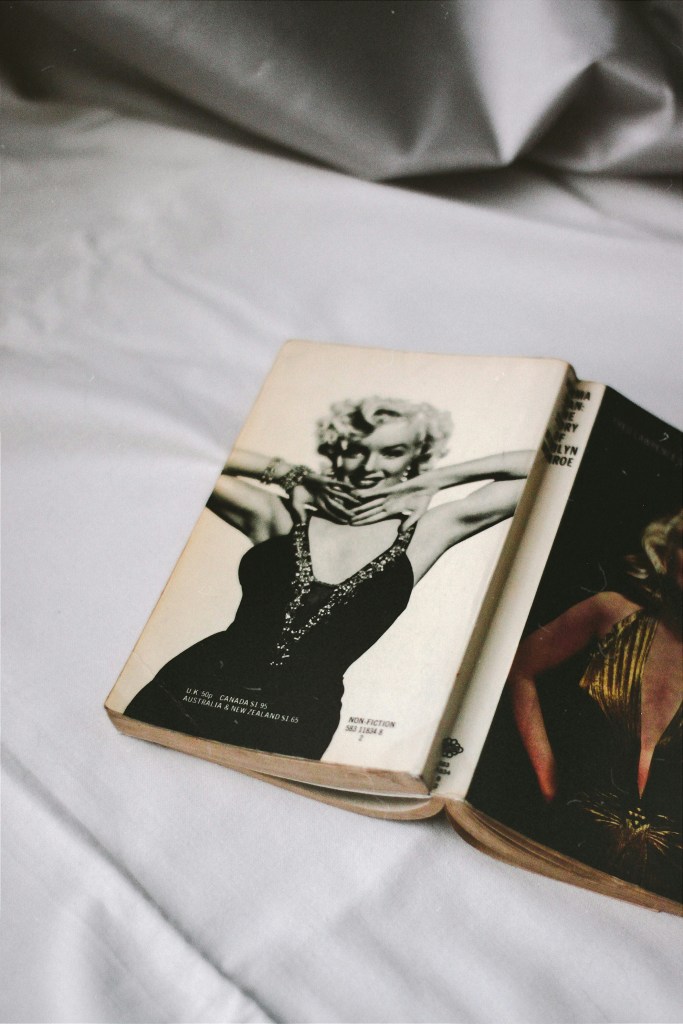
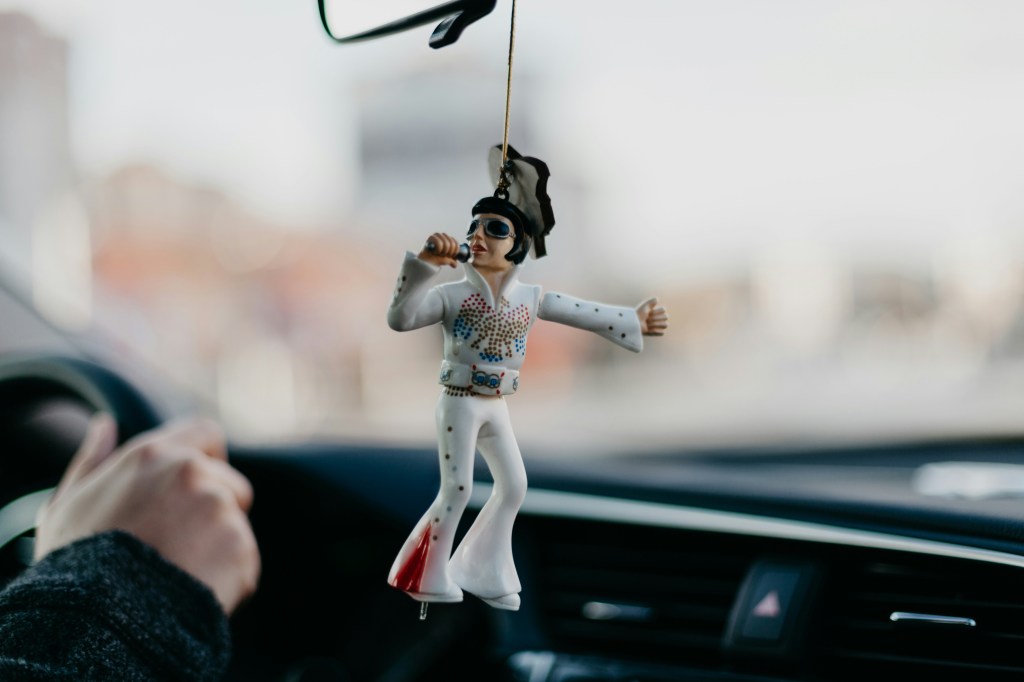
It is easy, as consumers, to judge people who fall from grace – and we judge harshly. That is part of the darker side of fame. But, at the same time, we cannot completely condemn something that has always played a part in culture and society. Famous people are role models, and they can have a very positive impact on individuals and society. Elvis, Marilyn Monroe and Andy Warhol have had a profound impact as individuals shaping cultural narratives for years after their deaths. They provided a benchmark in which social norms, fashions, aspirations and morals are still reflected. Perhaps it is difficult to imagine today’s most famous people having this kind of long term, era-defining cultural influence, but they are still able to shape thousands of lives and thousands of young people aspire to be like them. And people need to be able to aspire. Fame has endured because it plays an important role in society and culture. In that way, our society isn’t so unlike that of the Ancient Greeks, and it doesn’t look like changing any time soon.

August 2024

Featured

Breaking the fourth wall

What happens when you break the fourth wall, in the theatre, culture, and life …?

Credit: Ashton Bingham

There’s a fantastic moment in the first episode of House of Cards when Kevin Spacey, as the Machiavellian politician Francis Underwood, on finding an injured dog in the road, turns to face the camera and says “Moments like this require someone who will act, do the unpleasant thing, the necessary thing.” The trope used throughout the series invites the audience to glimpse the psychopathic workings of Underwood’s mind, and perhaps become complicit in it. But it is particularly impactful the first time around because it creates an element of shock – we don’t expect to be addressed directly and we see, for the first time, the two sides to Underwood’s character, the difference between his public-facing and private personas. The defining theme of the series.

Credit: Vlah Dumitru

In the theatre, the traditional haven of the fourth wall – the proscenium arch between actors and audience – the fourth wall is there to help us suspend disbelief. A different world which, unlike in film and tv, cannot completely be reconstructed in a realistic way. If we, as the audience, can allow ourselves to accept the fourth wall, what is going on on the stage becomes real to us. But there are times in theatre when the fourth wall is broken. There are plenty of examples when an actor has broken the fourth wall to ask a member of the audience to turn off their mobile phone. Recently, the actor Andrew Scott noticed a member of the audience working on their laptop while he was performing in the title role of Hamlet. On these occasions, the interruption alarms the audience and jolts them back to reality. But the actor does it when they feel it is necessary to break the fourth wall. They do it to make sure the fourth wall continues to exist. The theatre needs the fourth wall so much more than tv and cinema, so it’s even more important to protect it.

Credit: Dylan Gillis

The fourth wall also exists in life, it exists in order for us to do the tasks that we need to do and for people to give us the space and respect to do that. I remember once as a young communications consultant presenting on behalf of a media literacy education charity to representatives from the beauty industry. We wanted the industry to support us so that we could produce a suite of education materials about ‘airbrushing’ (it was back in the early 2000s) and the impact that might have on young girls’ expectations of themselves. The representatives came to the meeting, but they were not up for it. I was talking about the government’s criticism of airbrushing when one lady from a very well-known global brand muttered audibly in decidedly spicey language that the government (and we) were talking out of our backsides. For a moment I was lost for words, this lady’s behaviour was so out of form for a respectable workplace meeting, and my client was sitting next to me, and this woman’s comment could very easily derail the entire strategy. Swallowing my panic, I cleared my throat and asked whether there was a problem she wanted to discuss. A painful few moments… But, if she hadn’t said anything, the elephant in the room wouldn’t have been addressed, everyone would have listened politely and then they would have gone away and we would have never heard from them again. We ended up teaming up with the beauty industry, and the airbrushing lessons were eventually rolled out in secondary schools across the UK.

(Not my friend) Credit: Priscilla du Preez

The fourth wall can be broken in a moment of  crisis, to right something that is going wrong. A friend, a successful news journalist, had moved to the UK to start up in financial PR. One day, he galvanized all his creativity to pitch a client’s non-story to a news desk (it was back in the days when we used to call them up). The journalist snapped ‘why would I even write a story about this rubbish?’. ‘I’m just doing my job, I used to be a journalist too,’ my friend replied. ‘I broke the fourth wall,’ he said to me later.  Many frustrated PRs have yearned to say the same thing, but haven’t been able to, because of the fourth wall – the rules of engagement – in the process of PR pitching. It was extremely cathartic for my friend to break that fourth wall in that moment. He was able to get rid of months of frustration, the frustration of being regarded as the lesser party by journalists, even though he had years of experience as a front line crime reporter up his sleeve. He was able to say what all PRs want to say – that we work brilliant things with our material. Sometimes that material is excellent, other times less so, but we can only work with what we have. My friend who is a very successful PR, has always had a great sense of timing. I admired his bravery in calling out the journalist for being rude.

Credit: Alex Chambers

But imagine if all PRs broke the fourth wall, all the time? No story would ever get sold. The relationship between journalist and PR would break down. And the public relations industry would be on its knees. Remember the famous ‘Ratner moment’ when CEO Gerald Ratner referred to one of the jewelry company’s products as being ‘total crap’. That comment spelt the end of his career, and the end of the business. It’s been acknowledged that this was one of the worst PR mistakes ever made.

If we were to describe what the fourth wall is, moving beyond the literal of the entertainment industry, we could say it is a not-acknowledged contract between two parties (professional, personal, institutional), that accepts that there are some rules of engagement that allow us to suspend reality to a greater or lesser extent to make that interaction work. Viewed in that way, the fourth wall is an important part of society. It is there when a politician campaigns during an election (imagine the legwork the recent Tory government had to do during the last election campaign, trying to sell new ideas and the concept of hope after fourteen years in power); it is there during online dating (when couples chat about their favourite TV shows but are in fact auditioning each other as a future life partner); it is there during the pitching process. We can’t really afford for the fourth wall to break down, but it can be fantastic to challenge it, judiciously, for impact, to shock and to change things, or even to make sure we maintain the status quo, when the moment is right.

August 2024

Featured

The politics of names

A little label that tells you everything..

Credit: Deniz Fuchidzhiev

Shortly after they won the recent general election on a massive majority, Labour announced they were changing the name of one of the government’s departments. This often happens when a new party gets into power – a signal of the structure and strategy behind their plan for running the country. What made this name change particularly politically significant was that Labour scrapped the Department for Leveling Up, Housing and Communities (‘Leveling Up’ being the right wing Tories’ great battle cry) and replaced it with the less flashy, more homey, name of the Ministry of Housing, Communities and Local Government. With the emphasis shifted to ‘Communities’, a concept everyone can get behind, and a commitment by Deputy Prime Minister Angela Rayner to ‘no more gimmicks’. In fairly short order, signs were ripped down, emails replaced and the department moved on to its next life. For Labour it is a simple but decisive signal that they are doing away with the rhetoric of the last government and all the baggage that carries, and bringing their own ethos to the table. The return to common sense and straight-forward politics echoes the wider messaging and personal brand of Prime Minister Keir Starmer (who himself has carried the legacy of his given name, reminiscent of the founder of the Labour Party Keir Hardie, into a life of public service).

Changing a name can come across as superficial, as if there is something slightly ‘not done’, even suspicious, about it. Boris Johnson was mocked for not using his first name Alexander as was former Tory Chancellor George (Gideon) Osborne. Changing your name can seem to be an affectation, a signal that the name changer is not genuine. Although the reasons people do change their names are myriad, and often tell the story of lives and histories which the names’ owner is seeking to shape for the better, or to move away from threat or trauma.

Credit: Nataliya Melnychuk

But names – the advert for the substance, are very powerful. They are the linchpin of brands, and they inevitably shape what a thing is and how it is perceived. On starting her mega beauty label Goop, Gwyneth Paltrow consulted a brand expert famous for advising some of Silicon Valley’s most successful companies, who told her that single syllable words with a long double letter sound get traction most easily. Goop may seem babyish at first hearing, but the sound evokes the simplicity of a dollop of cream on one’s hand, and the devil-may-care cheekiness/ low level shock factor associated with many of the brand’s products – like vagina candles. 

Credit: Shyam Mishra

Brands changing names, or having names in different markets, is a source of fascination, urban myth almost, that underlines the importance of language in cultural life. When the chocolate bar Marathon rebranded as Snickers (already its American name) in 1990, it symbolised to many the Americanisation of UK culture and the increased fluidity of cultural understanding between two countries. Elon Musk understood the power of changing a name to shock when he changed Twitter to X. The new nihilistic title seemed to represent everything that was doomed about the Musk take over of what had become a cultural institution. Yet Musk had the power to do this and so he did and, slowly, we have been forced to accept this change. Eventually the Twitter that it once was will likely fade from public memory. Perhaps we thought we owned Twitter as a social platform that formed part of public life, and this is his way of reminding us that we do not. And that he holds the power. 

Credit: Marten Bjork

Names and naming will always be associated with power. Nothing is more powerful than a parent choosing the name for the child that they will bear for the rest of their life; and place names have always been tied to ownership and culture. The renaming of cities and countries across the world was a fundamental part of reclamation post colonialism. Some cities – like Derry/Londonderry – have arrived more or less at a compromise of two names, a recognition of two perennially different cultures living side by side after a long period of difficulties, and perhaps an acknowledgment that this history can never be undone. Other places have two names acknowledged by different groups but not by one another, and all the hurt and vanished histories that represents hang waiting for recognition, and the complex dynamic between who holds the power and who does not.

And so now in the UK, Labour hold power and they (and we) are in the process of finding out the pros and cons of this new set of circumstances. A mostly moderate left wing government, they are unlikely to proceed to change place names with abandon, but the new Ministry for Housing, Communities and Local Government is their reminder that the old guys are gone. 

August 2024

Featured

How to behave in public (What ballet has taught me about life)

Photo by Hannah Busing on Unsplash

On a recent Saturday night at the Royal Opera House, the audience was looking forward to the ballet Different Drummer; a serious work by one of the twentieth century’s most influential choreographers, Kenneth MacMillan. The ballet, based on the German drama Woyzeck, builds to a tense moment when the girlfriend of the main character, the tragic soldier, is lured away by another man. On this night, just when the girlfriend turned away from Woyzeck to look longingly back at her new suitor, the music was interrupted by the sound of shattering glass from the upper slips – the very furthest away seats to the top and side of the auditorium. A slow handclap was followed by scuffles and protests, as someone tried to intervene with whoever it was who was making a ruckus. The protests began quietly at first – as people started to crane irritably away from the performance to see what was going on – before getting louder and finally a scream ‘I just want to enjoy the f–king music!’, before the poor man was ushered out of the room and the drama, off stage at least, was over.

You do hear about audience behaviour taking a nosedive in the West End, but this almost never happens in ballet. It would have been a shock at any ballet performance to have the audience convention of silence broken in such a forceful and unexpected way. But coming at such a tense point in a dark and soul-wrenching ballet, the moment was heightened and the uncertainty about what might prevail was quite disconcerting – as if what was happening on and off stage were somehow weaving themselves together. After the show, the audience chatted amongst themselves in anxious voices, and tones of awe, about how shocking the outburst had been and what could have been done by Opera House management to prevent such a situation escalating. They carried on discussing it in taxis, on the tube and on online forums.  

Photo by Hulki Okan Tabak on Unsplash

The incident made me reflect that we live in a world where in public at least we are to behave in certain ways. You don’t even think about these conventions being there, until they are broken. The shock of someone breaking that convention at the ballet rippled through the audience in a tangible way, almost lending itself to a thrill. We are often told that, in Shakespeare’s day, the audience would heckle, carry on conversations and throw fruit (although they haven’t reintroduced this at the Globe..); and Edith Wharton’s accounts of high society in turn of the century Manhattan pivot around the great and the good carrying on their socialising in their expensive opera boxes while the performance was going on down on the stage. But this is not the norm or the expectation nowadays.

There are practical reasons for people to be silent, and for large groups of people to behave in a certain way so that order can prevail, and events can proceed as planned. But at the same time, the almost salacious shock at the interruption of Different Drummer suggests that these social conventions take on more than a pragmatic purpose. In 1903, a sociologist called George Simmel spoke about the ‘impulse to sociability’ where humans have an instinct to behave in a way that is socially acceptable and enables them to belong to a particular group – or society in general. It’s a concept that has often been used derogatively, for instance in inferring that people don’t think for themselves and blindly follow fashions and trends without exerting their own creativity. But actually, we all have good reasons to conform, even if it means giving up some of our individual autonomy from time to time.

Photo by Abigail Lynn on Unsplash

Non-conformity can be powerful and can used as protest to demonstrate disagreement or dissent about something that is happening. A famous example was when musician Jarvis Cocker stormed the stage of the Brit Awards in 1996 to show his disgust at Michael Jackson performing a very self-reverential song, dressed as a Christ-like figure. Cocker mounted the stage and shook his bum at the audience – hundreds of thousands of people watching the awards on live TV. Cocker got away with it, largely because many people agreed with him even though they wouldn’t have dreamt of doing it themselves, and there was something in his personality and credibility that allowed him to carry it off. Cocker presumably calculated that he had nothing to lose by getting onto the stage, and it proved to be the case, as shown by his continuing success and popularity over the next twenty years. Going further, there are occasions when groups of people actually rebel against conventional behaviour as a herd. The documentary Woodstock 99 shows a wide-scale loss of order after festival goers endured terrible conditions including the lack of food and water, unbearable heat, and ground saturated by sewage. After three days of this, the crowd erupted in a riot, destructing the temporary structure that had been set up for the festivals, setting fires, rape and pillage. The mass momentum to act like this was prompted by a breakdown in the social contract made by the festival organisers to the people who had paid to attend, in turn triggering the festival goers to forsake social norms en masse. The chaos was only brought to a close with the arrival of a large consignment of the national guard.

Van Kleef, Wanders, Stamkou and Homan is a review of research and literature around norm violation and plots out a model of factors that influence norm violation and our responses to it. They point out that minor norm violations such as leaving the remains of your lunch on the table and interrupting each other during conversations are ‘omnipresent’. They looked into the factors which make ‘rule breaking’ of this nature more likely and found two factors which influence whether people violate norms. One factor is that people are more likely to violate norms when they perceive others also break the rules – which may account for the festival goers at Woodstock rioting in response to being let down by the festival organisers. The article says that in these cases ‘societal level norms about how one ought to behave may be overruled by local norms that are constructed based on the perceived behaviour of others in one’s social environment.’  The other factor is that people who feel more powerful in a situation are more likely to break norms. In other words, Jarvis Cocker is unlikely to have stormed the stage at the Brit awards if he had been a waiter serving drinks or a member of public who just happened to have a ticket.

The third point in the article is the impact that norm violation can have on other people. The study finds that norm violations trigger feelings of anger, blame, anxiety and fear, even when no personal harm is involved. What’s more, ‘ingroup deviants’ (ie people who are part of a group or society where those norms are established) are regarded more harshly than ‘outgroup deviants’. This can explain the disgust and shock of the members of audience who, after the performance, could only discuss the behaviour of the gentleman at the ballet. Van Kleef, Wanders, Stamkou and Homan say that gossip has been found to foster norm compliance as people endorse the violation of certain norms to defend other norms that are seen as more important. The need to discuss and condemn the behaviour of that particular member of the audience was a way of reinforcing the norms of that group – ie regular attendees of the ballet – and perhaps even the bonds between members of that group as people who are committed to appreciating ballet as an art form.

May 2024

So long Topshop… from a 90s teen

It’s been on the cards for almost a year, when owner Arcadia called in an advisor to broker an urgent deal with landlords. Since then, we’ve seen the end of retailers who have been around for longer and held a stronger place in the national consciousness. Even John Lewis has struggled in recent months. So the fall of Topshop, a largely store-based empire at a time of dominant (and, since covid, necessary) digital commerce, is not a surprise. Next week Arcadia is due to be broken up with a potential buyer set to ‘pick over the pieces’ like a vulture devouring a rotting carcass.

For a particular generation, the will-o-the wisp floral skirt and DM-wearing 1990s teen, the demise of Topshop feels particularly sad.

I discovered Topshop when I was growing up in Croydon in the 1990s. In the heart of the once glorious Whitgift Centre, it felt like a pass to freedom. Rails of cheap jumpers and rainbows of little dresses. It was an opportunity for self-expression in the way I dressed and the choices I made for myself. Me and my also-slightly nerdy friends loved nothing more than an idle Saturday afternoon running our hands through racks of ribbed t-shirts and button-down denim skirts before stopping off at the Body Shop for a dewberry body spray.

I’ll never forget the day I first made it to the Topshop store in Oxford Street, standing at the entrance like a pilgrim on the steps of the Sacre Coeur. It was the first time me and my friends were allowed up to London on the train from East Croydon, so of course we headed straight there. The rush of adrenalin was almost spiritual when I found a beautifully flippy wraparound satin skirt to wear to my first proper New Year’s Eve party. As I paid my £25 at the gleaming white till, I was in hoc to the possibilities it conjured up, like a ticket to the glamour of the big city. It was a sensation I’d never felt before. And it was enticing.

Topshop continued to play a large role in my life. I have a number of beloved items from that place over the years: my navy cape with the rust satin lining; an indigo blue skirt that seems to work in any given situation; the yellow duck-print socks that I wore through countless ballet rehearsals until holes appeared in the heels; and a midi skirt with orange flowers that strangers still stop me in the street to compliment. Thousands of jumpers, jeans and, well, tops.

Me in some Topshop attire, Paris.

There was a reason I always loved Topshop. The clothes were not tarty, not compromising, they were pretty but somehow empowering. They came up small at times, but they did not come up short. The quality was generally good and the clothes were practical and long lasting. And no matter how many times you visited, you seemed almost guaranteed to come away with something worth buying.

In recent years that changed. I found myself disappointed as I searched the Topshop website while balancing a small baby on my lap. I have changed. With two small children, I’m not in the market for short skirts and spaghetti straps anymore. But it’s not just me. In the past, Topshop had a knack for churning out timeless, inventive and stylish pieces often with a foothold in 20th century fashion history. Nowadays the products are all short, long splits and crop tops. Not the kind of thing you can wear to nip down to the shops. Not appropriate for work. Definitely not flattering if you’re not 18 anymore.

Some people have pointed to the departure of head stylist Kate Phelan in 2017 as the turning point for the store. There was a half-hearted attempt to compete with the cut price fashion of BooHoo and friends. The clothes seemed targeted at Topshop’s ‘core’ student market, but arguably only for some of them. The fashion too often fell into the faddy category. It became harder to find anything out-standing or particularly beautiful. I started to notice that, when I did make a purchase, it fit badly, arrived crumpled, or differed from the pictures on the screen – although customer service was always very good. I would still look at the site from time to time, sometimes with a pang of longing for times gone past, but I rarely bought.

Last year, allegations of Philip Green’s behaviour came out. He has been accused of harassment of a number of Arcadia employees. There was an unsavoury incident where he demanded the removal of a stall selling the popular feminist book ‘Feminists don’t wear pink’, minutes before the Oxford Street flagship store was due to open with the stall all ready to go, front and centre. After this, browsing the Topshop website seemed a little distasteful. Did I want to line the pockets of this man? His morals seemed to go against the ones that Topshop had embodied to me.

I don’t think that I’m the only old-timer Topshop customer who feels this way. The spirit has already gone from the Topshop phenomenon. On one hand, Topshop has fallen behind online retail leaders who approach digital content in a campaign-led way. On the other, they’ve failed to keep up with the move away from fast fashion towards ethically-sourced investment pieces with design-integrity at their heart. There’s hope that Topshop in some shape or form will live to see another day (although who knows how many jobs will be saved). BooHoo may pick up the pieces as it has with Warehouse and Karen Millen. But, judging by their approach to Black Friday, that might mean a sad and slightly inevitable slide in the wrong direction.

I will look back on my 1990s Topshop with fond memories. But that Topshop is already gone, consigned to the archive and the attic.