Featured

How brands brought sunshine in 2025

There was so much that was wrong and chaotic about the world in 2025, but there were also moments that brought delight to everyone. And whatever your feelings about globalisation and cynical marketing, there is something very powerful about a brand that creates an authentic human connection and, in doing so, plays a small role in buffering us from the troubles of everyday life. When we look back at the general helter-skelter of 2025, these are the life-rafts of consumerist cheese that I will cling to.
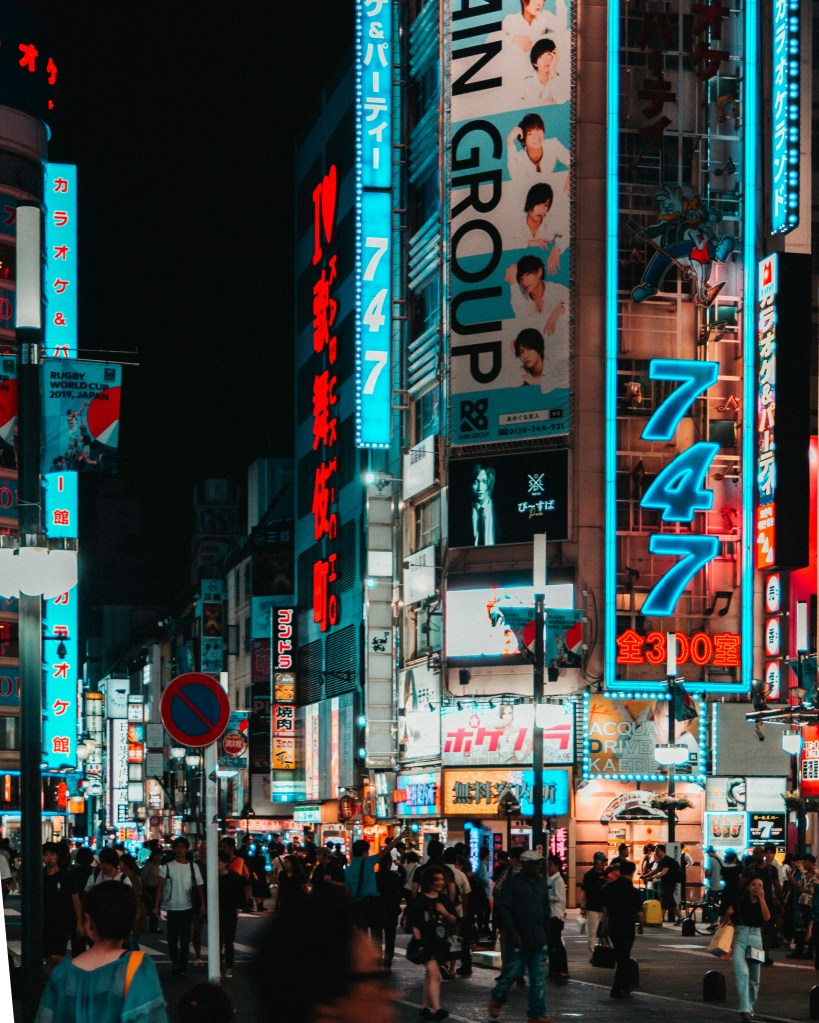
We all want some K-Pop magic, image by Joseph Costa

Who can begrudge the ongoing juggernaut of K-Pop which reached new heights with a film that struck a chord with people of all ages. K-Pop has been lauded for articulating the fears of teens and tweenagers – loneliness, the pressures of social media, and friendships – and K-Pop Demon Hunters, whose soundtrack has dominated the charts for several weeks with hits including Golden, What it Sounds Like and Takedown, brought a ray of sunshine into all our lives. Talking of K-Pop, I loved this series which, in an unashamedly cheesy way, set out to find members of a multinational K-Pop group. Now making waves as Katseye.

Toilet Paper: the Who Gives A Cr*p brand has been around for a while, rising from the ashes of post-sustainable consumerism after the pandemic. This year, with their eye-catching patterns and commitment to giving 50% of their profits to water and sanitation projects, this loo roll has put a bit of joy and purpose into the most mundane of daily tasks, becoming a common find in family homes across South London (despite being sadly inappropriate for school craft projects). 
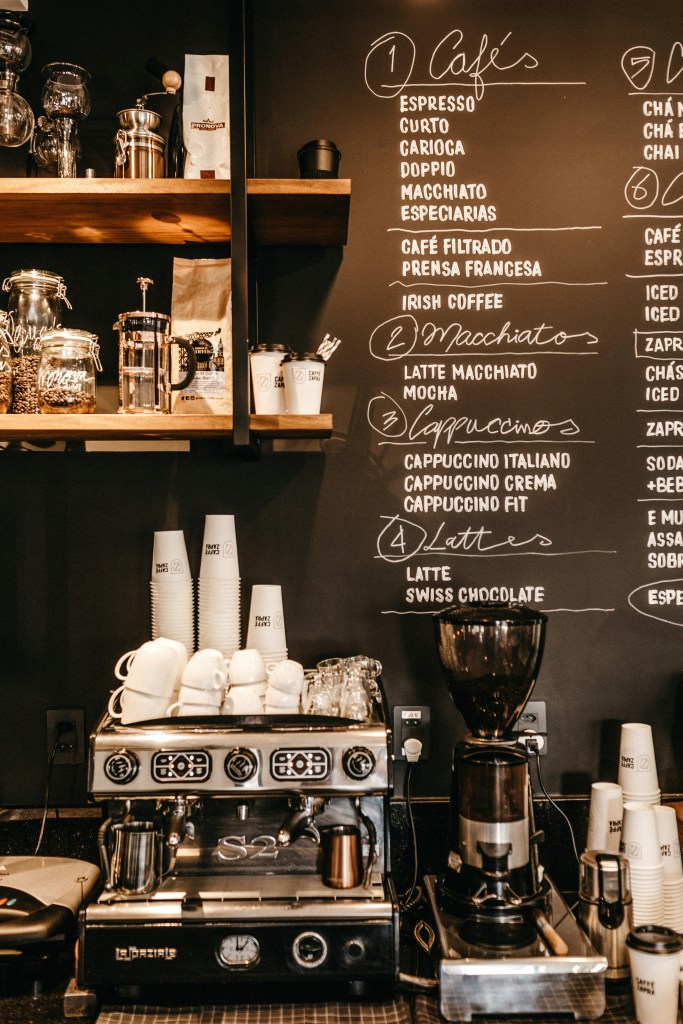
Image by Jonathan Borba

Is the high street making a comeback? After years of grill-fronted shops, rubbish swirling through empty multi-story carparks and tattered To Let signs, the high street is being rejuvenated by the faux-independent coffee shop: Blank Street, Black Sheep Coffee, Buns from Home and Crosstown. These are brands that have been in the UK for a while but have been turbo-boosted by global investors and are providing a more acceptable (better coffee and less care worn) alternative to Costa and Starbucks. All sporting an androgynous Skandi-Manhatten vibe, there is something deliciously bland that you can’t quite put your finger on but, at the same time, they have nothing of the motorway service station about them. Expect one or more in a high street near you.

Beautiful Croydon picture by Kristin Snippe

Can they make up for the baffling high street rebrand of WH Smith, though? Possibly not. Could the fading stationer’s name change to TG Jones be the best-worst PR campaign ever? Quite possibly, judging by the hundreds of column inches the unusual move has produced. It’s almost as if they want to create an anti-brand, but there is a skill in turning a terrible story into an unlikely money-spinner. WH Smith is making chunky if controversial steps in the captive airport market and something tells me this story isn’t quite over yet.

Talking of high streets, I hear Croydon is finally in line for a long due glow-up. Not only has its erstwhile suitor, Westfields, finally started the planning process to redo the very forlorn Whitgift Centre, but Croydon is apparently a hotspot for filming and was recently used as the location for the forthcoming blockbuster Heads of State. The ‘Cronx’s gritty 1960s centre combined with proliferation of green spaces apparently make it the ideal dupe for everything from Istanbul to Gotham City and therefore of course the UK’s answer to Hollywood. 

Other things that have united us this year: Wicked, a hot bed of at times hilarious brand tie ups (from Cambridge Satchell Company to Hovis) and a wonderful example of adoring female friendship between its co-stars Cynthia Eviro and Arianna Grande. And, staying in the world of celebrity, Justin Trudeau and global pop superstar Katy Perry, who went official on X during their visit to the Japanese PM and his wife, in a way that summed up the sheer joyful randomness of this romance .

Poor Louvre: image by Michael Fousert

There have been hundreds of brand fails and PR disasters of course. The Louvre’s not had a great one and Ben and Jerry’s very public spat with Magnum lacks a certain amount of dignity. But the point is that, for all their baggage and corporate clutter, brands can still be very powerful, bring positivity and strike a chord with the cultural zeitgeist, if they manage to get it right. I can’t wait to see who does it best in 2026.
December 2025

Featured

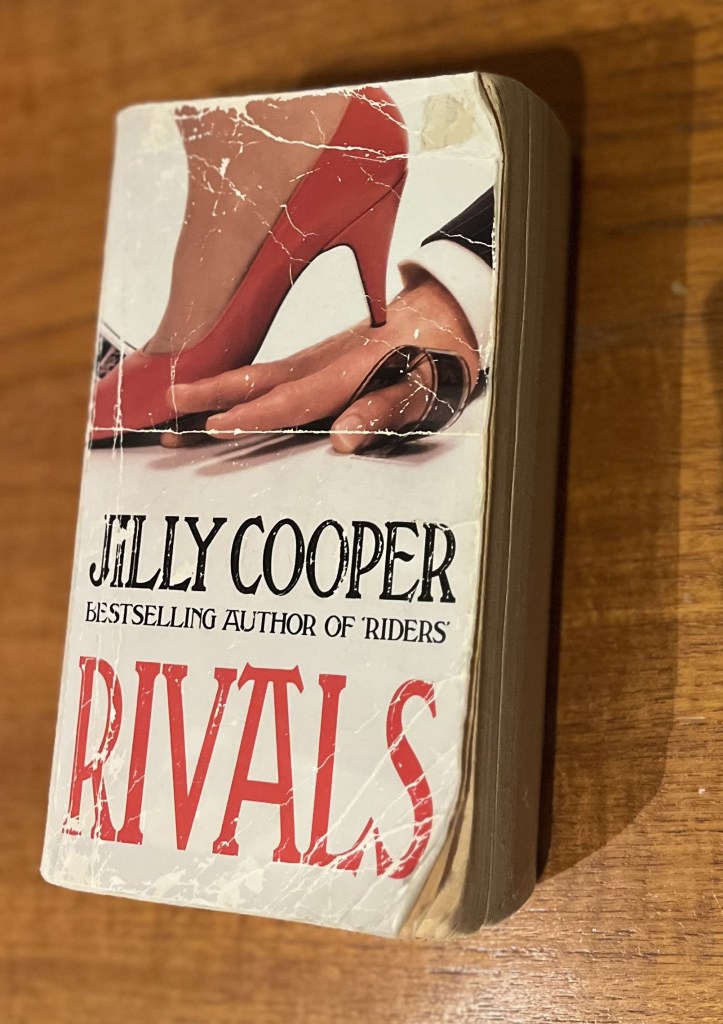
Why it’s ok to love Jilly Cooper’s Rivals without writing a searing critique about it

Everybody’s talking about the joy of Rivals, the new Disney+/ Hulu adaptation of Jilly Cooper’s 1986 novel. Commonly described as a ‘bonkbuster’ (posh 80s lingo, darling), the tv adaptation mixes 80’s nostalgia with the thrill of hedonism and a side of ‘how the other half live’ along with a breath-takingly stellar cast. It’s a stonker. It’s also manna from heaven for culture writers who have variously described the show as ‘deeply serious about pleasure’, using watches to see into the characters’ motivations, and being so notable for telling us about life before dating apps.

I’m as big a Jilly Cooper fan as any, ever since I discovered her first book Riders on a bookcase in our holiday gite in Normandy age 14 (much to the dismay of my mother). But I’ve often felt a little embarrassed to admit I’ve read all her books. And while my mother was one of many who once looked down on Jilly Cooper’s writing, now it’s cool – chic, even – to appreciate the show.

Credit: George Ciobra

The question of what is ‘good culture’ has been around for centuries – ever since Joshua Reynolds as Master of the Royal Academy ruled supreme in a world where only art depicting biblical battles (and at a stretch the odd Greek myth – the bloodier the better) could be hung on its walls. But plucky Hogarth didn’t care a jot, and he pressed ahead with his beautiful portrait of the lowly little shrimp girl and his socially searching and often disgusting satires Marriage a la Mode and the Rake’s Progress. Now these paintings can be seen in the National Gallery because ‘high art’ and ‘low art’ have an annoying habit of blurring their boundaries, and sometimes it’s hard to keep track of what is high and what is low. And it takes a masters in art itself – or maybe in reading Tatler – to know what is currently good taste and what is not.

But appreciating culture for what it says about society and actually enjoying it are two different things – remember Vivian crying in the opera in Pretty Women or Eliza Dolittle screaming at the horses in My Fair Lady? In their unconditioned wonder of opera and horseracing, they showed that it’s fine to love something just for the thrill of it. That is why it is important that kids learn to play the violin in Year 3, that they learn about the Greek gods, or visit a gallery and sketch a painting. And why they also need to go to laser quest, ride the flumes at the water park and be a pinball wizard on Brighton pier. Art and culture is a means of expression but it primarily exists to make our lives more enjoyable and to bring us pleasure.

The main reason why my love for Jilly Cooper is so enduring is because it offers first class escapism: I can turn my brain off and enjoy it for the hell of it. To make it worthy or a searing critique about society would be to lose all its joy. Everyone acting in Rivals looks like they’re having a blast. I’m having a blast watching it. And that is why the show has been so brilliantly successful.

November 2024

Featured

What is creativity and original thought?

What does it mean to be truly original? Is any thought actually an original one? How creativity is made up of layers of thought built up throughout human history..

Credit: Florian Klauer

At university we were told we had to sift through and assess sources, review the arguments made by historians and come up with our own analysis to impress the examiner. The best students were the ones who challenged the question and came up with an original interpretation of the subject whilst also displaying knowledge of the area and style in constructing their arguments. I soon discovered that I was quite bad at all these things, and the more I struggled through dusty books in the university library and drowned in piles of notes, the worse I got. How could I, an innocent 18 year old, compete with millennia of withered historians who’d spent lifetimes becoming experts on their subjects? ‘I just lack the capacity of original thought.’ I said to a friend, who thought it was hilarious.

Later on, I was starting off in a communications consultancy and enjoying the adrenaline of pitching for client accounts when a new director came in and sat us round the table as we tried to brainstorm slogans, ideas, and campaigns for everything from medical stents to nuclear power stations. ‘He wants to find out who is creative,’ one of my colleagues told me, ‘He wrote a book on creativity.’

Creativity is such a nebulous and subjective subject, it seemed crazy that anyone would be qualified to comment on another person’s creative ability based on a couple of conversations. It made me wonder whether creativity is an inherent quality a person has or something that you can develop over time. Also, in the 300,000 years of human existence, with storytelling an inherent part of human life since homo sapiens came on the scene, is there the scope for anything new? They say there are only seven stories that are told, and that all the novels, plays, soap operas, Netflix series that have been produced are merely reinterpretations of them. A depressing thought for an aspiring writer, maybe. But is that a problem?

‘Creative thinking for adapting an original idea to a real-life setting enables human beings to create civilizations different from other animal worlds’

Park et al (2016) from Neuro-Scientific Studies of Creativity

Sociologists think that creativity has been both a key factor in human survival and indicative of a level of higher thinking that humans can access most easily when their basic needs are met. Scientists have been fascinated by the role of creativity in differentiating humans from other creatures.

Credit: Julia Joppien

But does creativity mean complete originality? 

Once I got over my unfortunate incapacity for original thought, I thrived in the creatively driven agency world. I learnt to scan around for ideas that are clever, that already work, drawing different ideas and concepts together to mold and shape them until they don’t look anything like the original. 

During this time, I realised that the fuel and confidence for creativity comes by drawing inspiration from other people’s work. When I write, I no longer beat myself up for drawing concepts and style from authors I have read (whilst obviously not ripping them off, this is not an endorsement of plagiarism!). As well as giving me an excuse to indulge my lifelong passion for reading, it’s given me the freedom to develop my own ideas and style, whilst not repeatedly hitting a roadblock of introspection, the fear that, in the whole world of thinking, my tiny contribution is surely destined to evaporate unseen. Once I gave up my hang-up about not coming up with the most original writing, it freed me up to enjoy what I do. When I write in my boss’s style, I feel my writing is better, more interesting, more colourful than when I write just as ‘me’. It’s nice to play at being another person, and in fact I feel freer to take risks and be more playful in my writing (as she, a brilliant writer, is herself). Freeing the brain from its barriers gives me a different kind of confidence.

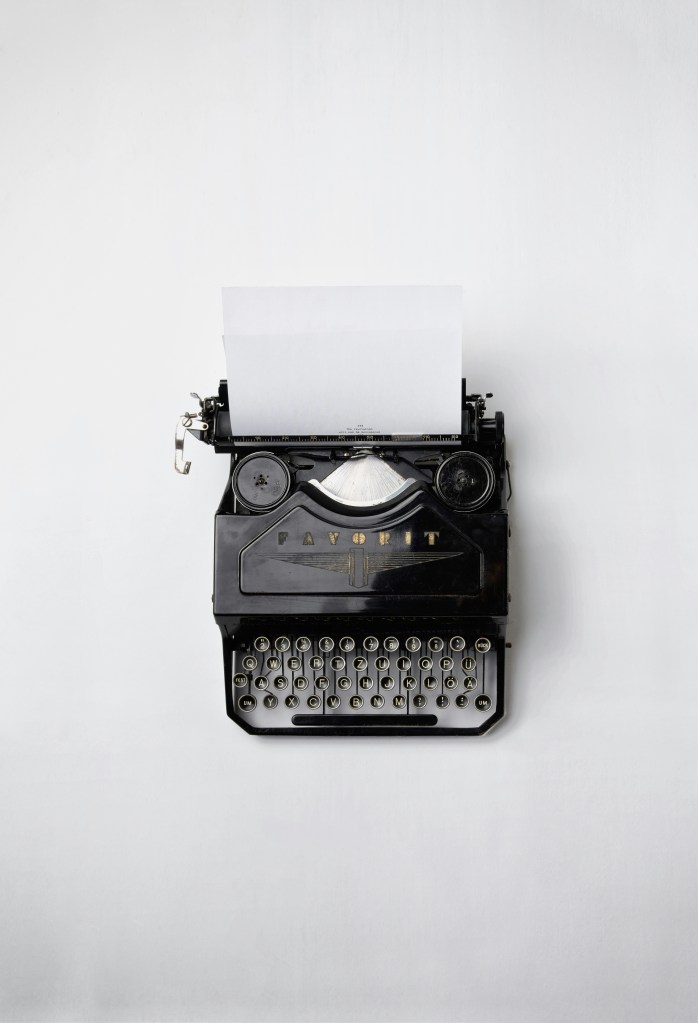
Credit: Janko Ferlic

So, can I cheat and say that creativity doesn’t necessarily mean true originality? Is originality really a myth? That might be stretching it too far, and I’m probably not qualified to speculate on whether original thought actually exists. But I have a feeling that a happy compromise of the reimagining and blending of thousands of ideas will keep creativity alive for as long as humanity needs it. 

July 2024