

The end of the daily print of the Evening Standard felt like a particularly savage cultural blow in the life of London. Many of my early memories of working in politics involve scanning the early edition of the Standard when I popped out for lunch to get a feel for the news agenda, and a sense of direction of events in the Commons. The sound of ‘Standard!’ yelled by news sellers as we plunged down into tube stations at the end of the day gave me the thrill of feeling that I was at once grown-up and a real Londoner. And yet…there was a sense of inevitability about this summers’ announcement, and the feeling that other major papers cant be far behind.
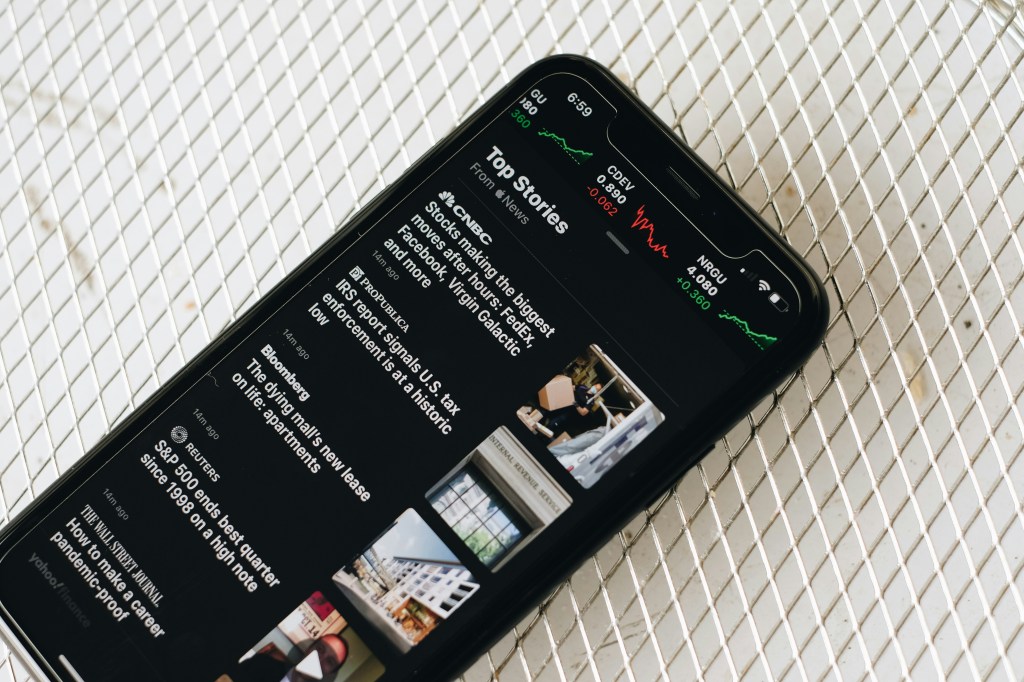
But, whilst print is probably dying, reports of the death of news itself is premature. We’ve heard that ‘everyone being a journalist’ means that sources go unproven, political agenda sways the news narrative, and the sheer unaffordability of maintaining a news outlet has seen hundreds of journalists forced from their jobs. Whilst, this is definitely true in some respects, in others, news consumption seems to be as all consuming as ever. How many people open the BBC news app as soon as they wake up? Flick open the Apple News app, the Daily Mail sidebar of shame? Soak up world events as they scroll through Facebook, X and TikTok or (old school!) make their breakfast with the morning news on in the background on tv or radio. The Evening Standard itself lives on strongly through its online presence, and a weekly print as the London Standard, and still provides a unique insight and perspective on what’s going on in the Capital.

Papers littering the train by 7pm every evening was the norm twenty years ago. Now, with the rise of smart phones, the world is always in our pocket and it is served up in click-bailable sound bites to compete with everything else demanding our attention in the world of social media. But it isn’t just that. During a job where I had to read and summarise every editorial for my boss, I realised that the least annoying, most balanced and most enlighting was the Financial Times. My love for this insightful, eclectic, international paper has remained strong, and convinces me that long form, in-depth, investigative news is still resonant and powerful at the top of the news food chain. Indeed, the Financial Times recently exceeded £500m in revenue for the first time – it is going strong. And long may that continue.
Five or ten years ago, Twitter was a really useful medium for picking up news, journalists would go on the platform to break a story, and you’d also have early sight of tip offs – particularly about what was happening in Westminster. As a public affairs consultant, it allowed me to call up my clients and say ‘I understand there’s going to be a reshuffle this afternoon’ or ‘the Prime Minister may make a statement’ as soon as the rumours started up in the press gallery. There was a synergy between what was seen on Twitter and the solid reliable, well-informed news that would be read in newspapers the next day. But the death knell for that era sounded in the echo chamber of the EU referendum and, since Twitter has changed to X, the algorithm spits out useless and frustrating garbage – to me anyway. From a news perspective, there isn’t a platform that has really managed to reproduce Twitter in its golden era, and perhaps that is perhaps more of a threat to news integrity than the demise of print.
October 2024
 Isabella's blog