
Why has being famous always been so attractive?

This summer, the split of influencers Molly-Mae Hague and Tommy Fury made headlines worldwide. They were one of the very few couples from the TV show Love Island whose relationship survived more than a couple of months. Fans cited their solidness, normality and commitment to living their lives in front of the camera as among the reasons why they are so adored. They are both young, beautiful and charismatic; but they are also famous just for being. Coverage of the couple’s break up has been prolific: Sky News issued a breaking news alert, outlets from from Vogue to the BBC gave their take, the tabloids speculated on what went wrong. More evidence, if we need it, that the sun of the super-influencer is still in the ascendancy. The individual, the leader, the trend setter, the personification of a zeitgeist. As sure as children come to school careers day dressed as the influencers they want to be; social media remains king and these people are the symbol of our times.

But the need to be recognised, not just by our loved ones, our colleagues and our peers, but by humanity as a whole, is timeless. Centuries before Andy Warhol said that everyone would have their fifteen minutes of fame, Ancient Greek poets told the stories of Gods who died for fame and glory. As Dr Angie Hobbs, a Senior Fellow in the Public Understanding of Philosophy at Warwick University, tells us, the poet Homer has Achilles say ‘‘I’m returning to fight, partly to avenge Patroclus, but also because I want glory.’’ Fame has been around forever.
When I was young in the global but not quite hyper connected nineties, I was a typical example of the type of teenager who wanted to be famous: insecure, very aware of social hierarchies, and still trying to find my own identity. I was looking for a way of validating who I was and my existence on this earth as a person. (Of course I never equated my desire for fame with who I actually am, which is quite a private person. I love nothing more than shutting the door to the rest of the world.) In 2013, American academics (Greenwood, Long and Dal Cin) found a correlation between those who wanted to fit in socially and people who wanted to be famous. They also found a link between those who wanted to be famous and people with narcissistic tendencies – who wanted to stand out.

Fame was a hot ticket in the nineties and it’s even hotter now. Social media allows a person to control their fame and their image more than ever before. Social media success, and therefore fame, is predicated on creating and fine tuning a very particular type of identity. But, rather than this helping a person define themself, it can end up forcing them to be someone they’re not. Instagram is a curated version of a person’s life, and expectations of the people who consume it are aspirational at heart. You have to keep on producing the type of content that people want to see, whether that is happening in your life or not. It is hard not to feel sorry for Katie Price, who used her fame and her image cleverly to create a multi-faceted multi-million pound business; but whose credibility has been undone, in part, by the need to perpetually produce the product that drives the fame itself.
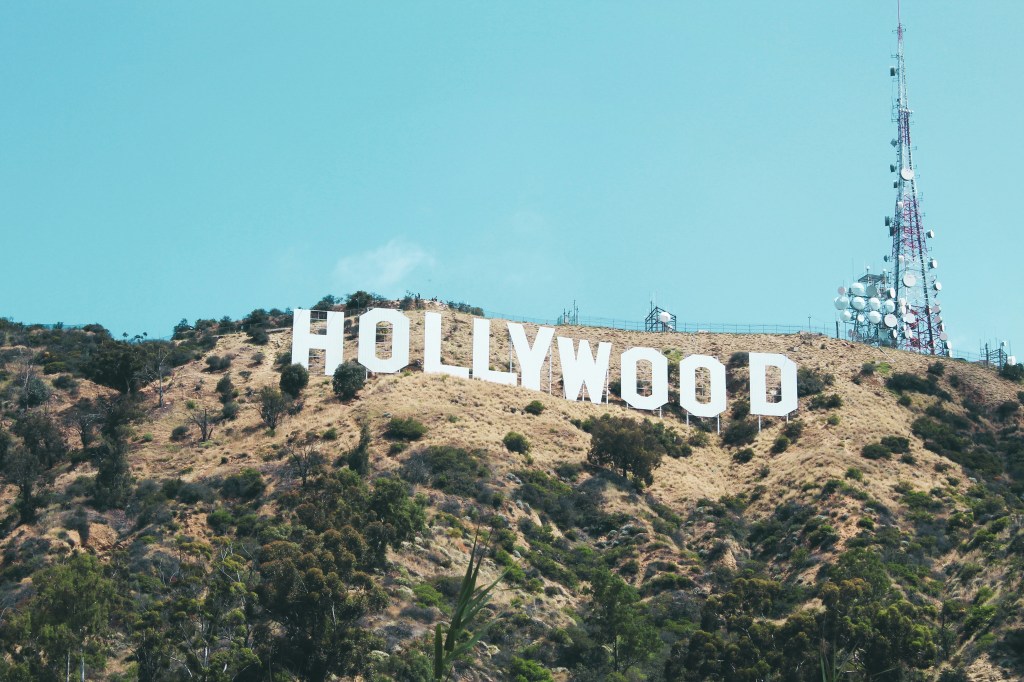
It is easy, as consumers, to judge people who fall from grace – and we judge harshly. That is part of the darker side of fame. But, at the same time, we cannot completely condemn something that has always played a part in culture and society. Famous people are role models, and they can have a very positive impact on individuals and society. Elvis, Marilyn Monroe and Andy Warhol have had a profound impact as individuals shaping cultural narratives for years after their deaths. They provided a benchmark in which social norms, fashions, aspirations and morals are still reflected. Perhaps it is difficult to imagine today’s most famous people having this kind of long term, era-defining cultural influence, but they are still able to shape thousands of lives and thousands of young people aspire to be like them. And people need to be able to aspire. Fame has endured because it plays an important role in society and culture. In that way, our society isn’t so unlike that of the Ancient Greeks, and it doesn’t look like changing any time soon.
August 2024
 Isabella's blog